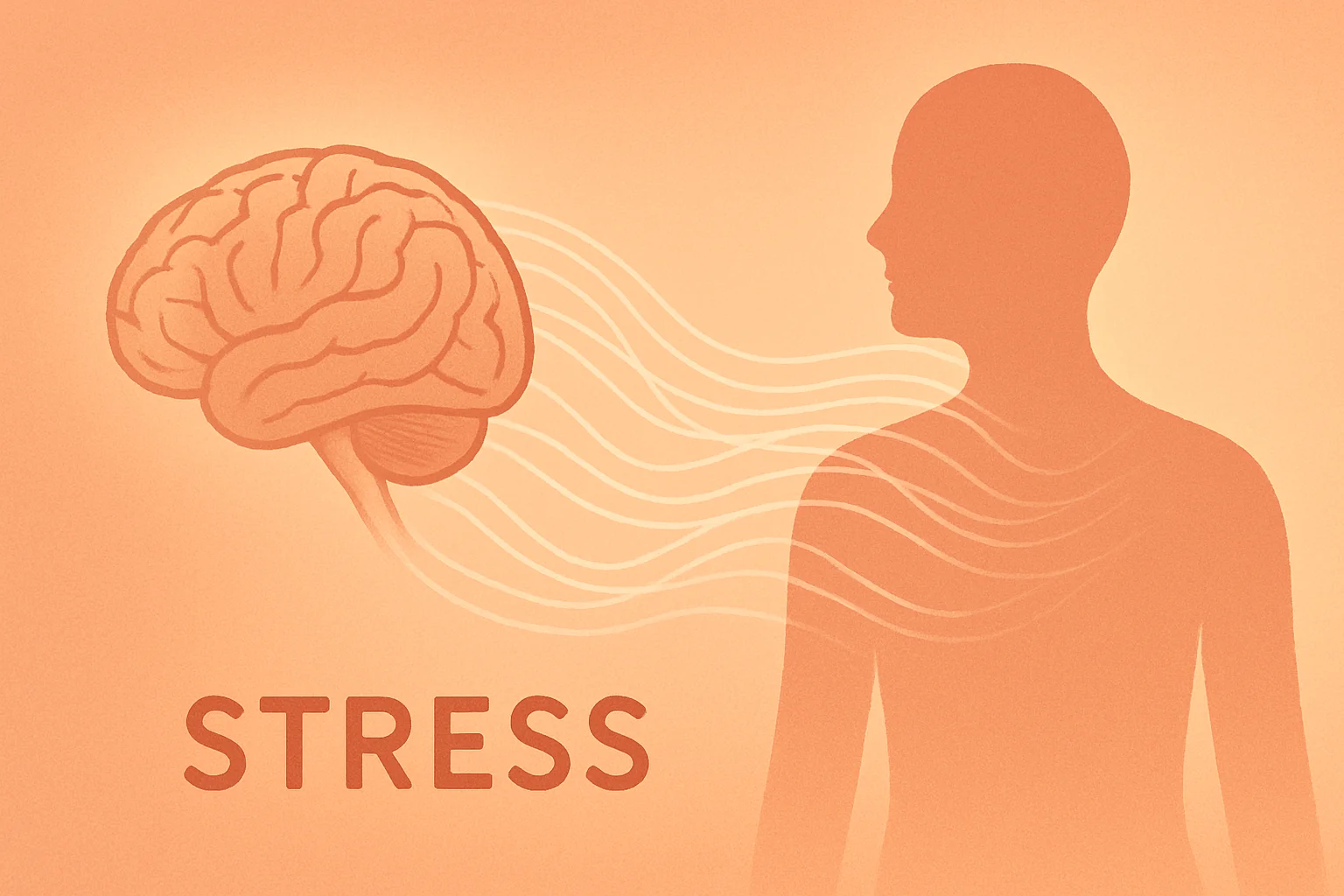
Looking for ways to reduce stress, manage pain, or boost your overall health—without relying only on medication?
Complementary therapies can help. These practices, like acupuncture, massage, and yoga, work alongside traditional medicine to support your mind, body, and spirit.
In this article, you’ll discover 10 powerful complementary therapies backed by research and tradition, plus resources to help you get started. Whether you’re interested in natural stress relief, improving sleep, easing chronic pain, or finding better balance, these therapies offer practical, accessible options for everyday wellness.
Mindfulness-Based Stress Reduction (MBSR)
Description: MBSR, developed by Dr. Jon Kabat-Zinn, combines mindfulness meditation and yoga to reduce stress and improve mental well-being. It is widely used for anxiety, depression, and chronic pain. MBSR emphasizes non-judgmental awareness of the present moment, which enhances emotional regulation and reduces stress. Studies show it can lower cortisol levels and improve quality of life.
Key Resources:
- Kabat-Zinn, J. (1990). Full Catastrophe Living: Using the Wisdom of Your Body and Mind to Face Stress, Pain, and Illness.
- Baer, R. A. (2003). “Mindfulness Training as a Clinical Intervention: A Conceptual and Empirical Review.” Clinical Psychology: Science and Practice.
Art Therapy
Description: Art therapy uses creative processes like drawing, painting, and sculpting to explore emotions and process trauma. It is effective for individuals who struggle to articulate feelings verbally, including children and trauma survivors. Art therapy fosters self-exploration and can reduce stress and ppl improve mood.
Key Resources:
- Malchiodi, C. A. (2011). Handbook of Art Therapy.
- Gussak, D. (2007). “The Effectiveness of Art Therapy in Reducing Depression in Prison Populations.” International Journal of Offender Therapy and Comparative Criminology.
Music Therapy
Description: Music therapy involves listening to, creating, or discussing music under a certified therapist’s guidance. It can reduce anxiety, improve mood, and support cognitive functioning. Techniques include songwriting, improvisation, and listening to curated playlists.
Key Resources:
- Wheeler, B. L. (2015). Music Therapy Handbook.
- Silverman, M. J. (2003). “The Influence of Music on the Symptoms of Psychosis: A Meta-Analysis.” Journal of Music Therapy.
Cognitive Behavioral Therapy (CBT) Techniques in Daily Life
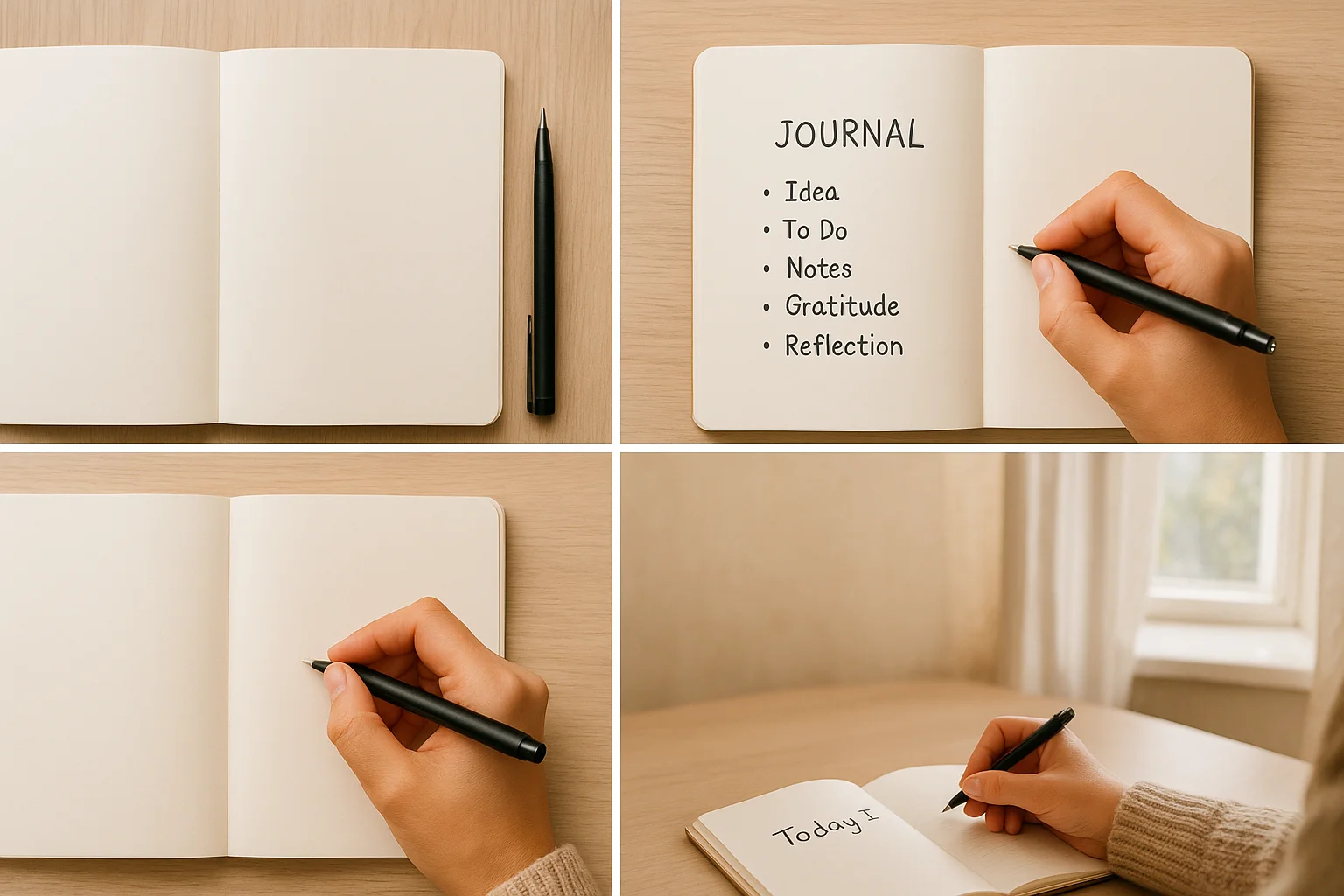
Description: Incorporating CBT techniques such as journaling, thought-stopping, and behavioral experiments into daily life can enhance therapy outcomes. Self-help tools and apps offer accessible ways to maintain progress.
Key Resources:
- Beck, J. S. (2020). Cognitive Behavior Therapy: Basics and Beyond.
- Greenberger, D., & Padesky, C. A. (1995). Mind Over Mood: Change How You Feel by Changing the Way You Think.

Acupuncture
Description: Acupuncture involves inserting needles into specific points on the body to balance energy flow (Qi). It is effective for managing anxiety, depression, and stress by promoting relaxation and influencing neurotransmitter activity.
Key Resources:
- Smith, C. A., et al. (2018). “The Effectiveness of Acupuncture for Depression: A Systematic Review.” Journal of Affective Disorders.
- MacPherson, H., & Hammerschlag, R. (2013). Acupuncture Research: Strategies for Establishing an Evidence Base.
Meditation and Guided Imagery
Description: These practices involve focused relaxation and visualization to reduce stress and enhance mental clarity. They are particularly effective for managing anxiety, promoting mindfulness, and improving emotional regulation.
Key Resources:
- Rossman, M. L. (2010). Guided Imagery for Self-Healing.
- Zeidan, F., et al. (2010). “Mindfulness Meditation Improves Cognition: Evidence of Brief Mental Training.” Consciousness and Cognition.
Yoga Therapy
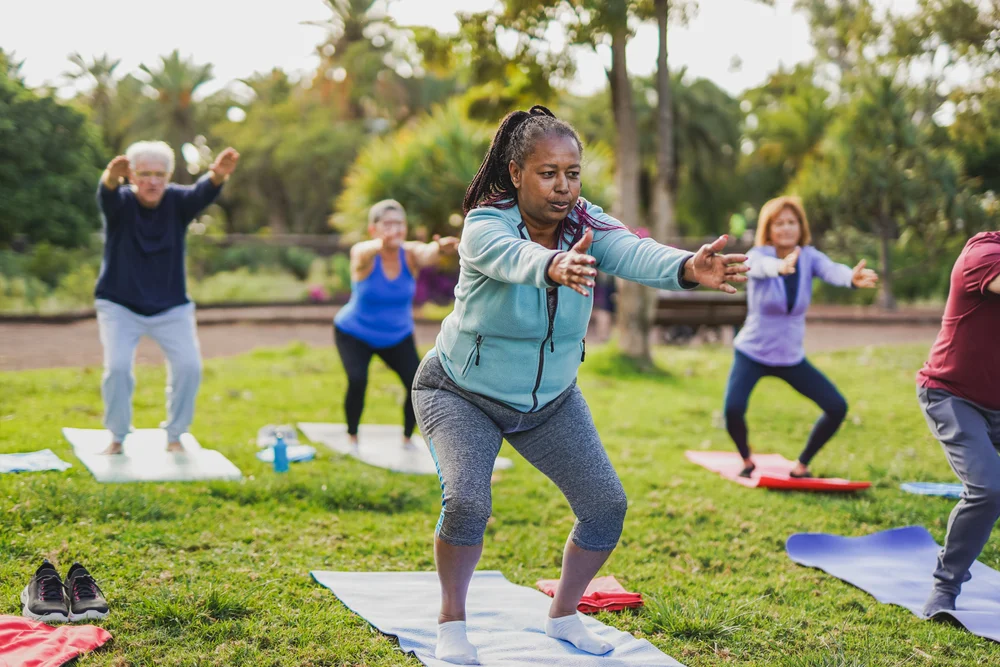
Description: Yoga therapy combines physical postures, breathwork, and meditation. It reduces stress, enhances mood, and improves body awareness. Yoga therapy is especially helpful for trauma survivors and individuals with anxiety or depression.
Key Resources:
- C. C., et al. (2010). “Effects of Yoga on the Autonomic Nervous System, Gamma-Aminobutyric-Acid, and Allostasis in Epilepsy, Depression, and PTSD.” Medical Hypotheses.
- Khalsa, S. B. S. (2007). Yoga as a Therapeutic Intervention: A Bibliometric Analysis of Published Research Studies.

Aromatherapy
Description: Aromatherapy uses essential oils to promote mental well-being. Scents such as lavender and chamomile can reduce anxiety and enhance relaxation. It complements other treatments by creating a calming atmosphere.
Key Resources:
- Perry, N., & Perry, E. (2006). “Aromatherapy in the Management of Psychiatric Disorders: Clinical and Neuropharmacological Perspectives.” CNS for Health Professionals.
Animal-Assisted Therapy (AAT)
Description: AAT involves interaction with animals to improve mental health. It is beneficial for reducing anxiety, enhancing social interaction, and supporting PTSD recovery.
Key Resources:
- Serpell, J. (2010). Animal-Assisted Interventions in Mental Health: Definitions and Theoretical Foundations.
- Fine, A. H. (2019). Handbook on Animal-Assisted Therapy.
Nature Therapy (Ecotherapy)
Description: Ecotherapy involves engaging with nature to reduce stress and improve mental well-being. Activities like gardening, nature walks, and outdoor mindfulness exercises promote relaxation and a sense of peace.
Key Resources:
- Jordan, M., & Hinds, J. (2016). Ecotherapy: Theory, Research, and Practice.
- Berman, M. G., et al. (2012). “Interacting with Nature Improves Cognition and Affective Well-being.” Psychological Science.
Reiki
Description: is an energy healing technique involving gentle touch to balance the body’s energy. It promotes relaxation and emotional balance, offering a complementary approach to stress and anxiety management.
Key Resources:
- Baldwin, A. L., et al. (2008). “Reiki Improves Heart Rate Homeostasis in Laboratory Rats.” Journal of Alternative and Complementary Medicine.
Massage Therapy
Description: Massage therapy reduces stress and anxiety through muscle manipulation. It decreases cortisol levels and increases endorphins, complementing traditional treatments by promoting relaxation and well-being.
Key Resources:
- Field, T. (2014). “Massage Therapy Research Review.” Complementary Therapies in Clinical Practice.

Tai Chi and Qigong
Description: These gentle movement practices enhance mental and physical health by promoting relaxation and reducing stress. They are particularly beneficial for anxiety, PTSD, and mood disorders.
Key Resources:
- Wang, C., et al. (2010). “A Comprehensive Review of Health Benefits of Qigong and Tai Chi.” American Journal of Health Promotion.
Nutritional Therapy
Description: Nutritional therapy supports mental health by addressing deficiencies and promoting brain health. Nutrients like omega-3s and B vitamins can improve mood and reduce anxiety.
Key Resources:
- Jacka, F. N., & Berk, M. (2013). A Review of the Mental Health Implications of Dietary Patterns and Nutrient Intake. Journal of Nutritional Biochemistry.
Exercise Therapy
Description: Regular physical activity enhances mental health by boosting endorphins, reducing stress, and improving cognitive function. It is particularly effective for managing depression and anxiety.
Key Resources:
- Blumenthal, J. A., et al. (2007). “Exercise and Pharmacotherapy in the Treatment of Major Depressive Disorder.” Psychosomatic Medicine.