Free Depression Tests You Can Take Anytime
Some mental health assessment tools—commonly referred to as depression tests—are in the public domain. This means they are free to use without copyright restrictions or licensing fees. These public domain depression tests are valuable for screening and monitoring symptoms of depression, but they are not a substitute for professional diagnosis or treatment.
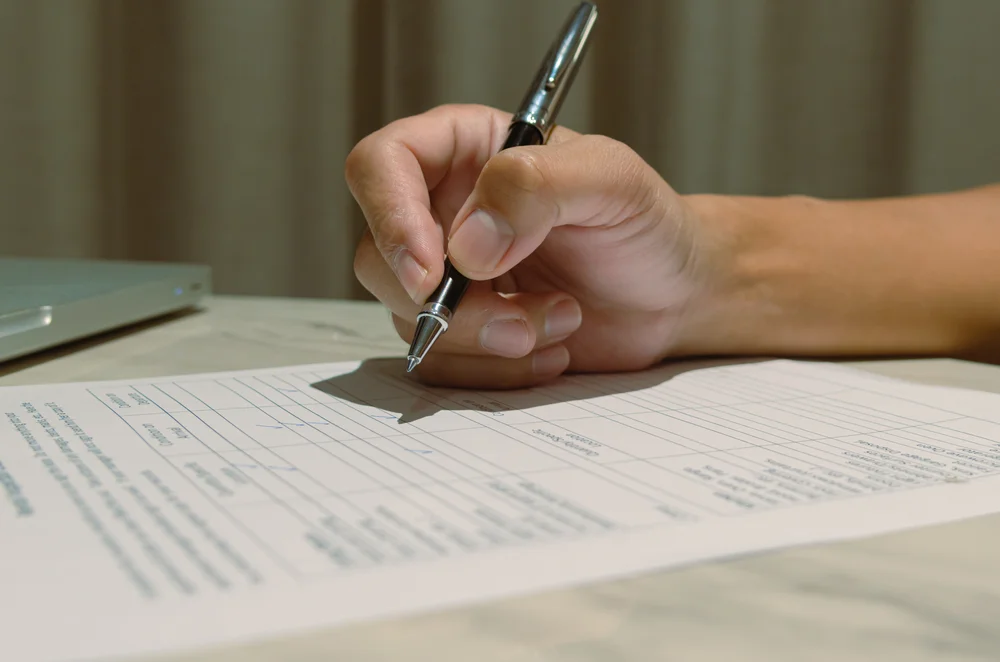
Below, you’ll find a list of widely recognized public domain depression tests, along with guidelines for proper use and important cautions. Most of these depression tests can be downloaded for free through a simple Google search. For your convenience, the PHQ-9 and PHQ-2 depression tests are provided at the end of this post.
1. Patient Health Questionnaire (PHQ-9 & PHQ-2) Depression Test
- Purpose: Screens for and measures the severity of depression.
- Format: 9-item self-report (PHQ-9) and 2-item screener (PHQ-2).
- Public Domain: ✅ Yes – free to use in both research and clinical settings.
- Caution:
- This depression test is a screening tool, not a stand-alone diagnostic assessment.
- A positive result should be followed by a professional evaluation.
2. Center for Epidemiologic Studies Depression Scale (CES-D) Depression Test
- Purpose: Screens for depressive symptoms in the general population.
- Format: 20 items; measures frequency of depressive symptoms.
- Public Domain: ✅ Yes.
- Caution:
- Best used for population studies or initial screening.
- Scores on this depression test may change with life events or temporary stress.
3. Zung Self-Rating Depression Scale (SDS)
- Purpose: Self-report measure for depression severity.
- Format: 20 items; simple for individuals to complete on their own.
- Public Domain: ✅ Yes.
- Caution:
- This depression test is useful for monitoring trends over time, not for formal diagnosis.
- Results can be influenced by self-report bias.
4. General Health Questionnaire (GHQ – Selected Versions)
- Purpose: Detects general psychological distress or psychiatric disorders.
- Format: GHQ-12 and some older versions may be free; longer forms vary in availability.
- Public Domain: ⚠️ Varies by version and country—verify before use.
- Caution:
- This is not a depression-specific test, but it can reveal symptoms that overlap with depression.
- Cultural and language differences may affect accuracy.

Guidelines for Using Public Domain Depression Tests
1. Understand the Purpose
- Depression tests are meant for screening and monitoring, not definitive diagnosis.
- Always clarify this distinction when sharing results.
2. Ensure Proper Administration
- Follow the original scoring instructions for each depression test exactly.
- Provide a private, comfortable setting to reduce response bias.
3. Interpret Results Responsibly
- High scores indicate the need for professional evaluation—not an automatic diagnosis.
- Do not make treatment decisions based solely on a self-administered depression test.
4. Maintain Ethical Standards
- Inform users that the depression test is for informational purposes only.
- Offer resources for professional help if results suggest distress.
5. Combine with Professional Methods
- In clinical work, pair depression test results with interviews and observations.
- In research, clearly acknowledge the limitations of self-report tools.

When to Use Caution with Depression Tests
- Self-diagnosis risk: People may misinterpret their scores.
- Cultural or language bias: Translations may need validation for accuracy.
- Over-reliance: A depression test is an adjunct, not a replacement for DSM-5 diagnostic criteria.
- False results: Stress, illness, or environment may temporarily skew scores.