
Have you ever felt like therapy and medication weren’t quite enough to lift your mood? You’re not alone. For many people living with depression, bipolar disorder, or other mood challenges, traditional treatments provide relief but don’t always address the whole picture.
That’s where complementary therapies come in. From mindfulness and journaling to acupuncture and yoga, these practices work alongside medical care to engage both the mind and body. The result? A more holistic approach to well-being—one that can reduce stress, improve resilience, and help you feel more balanced in daily life.
In this guide, we’ll explore:
- What complementary therapies are (and how they differ from alternative medicine)
- Five main categories of complementary therapies with real-world examples
- The science behind why they work
- Practical ways to make them affordable and accessible
What Are Complementary Therapies?
Complementary therapies are practices you can add to your regular medical care to support both body and mind. They don’t replace your doctor’s treatment plan—instead, they work alongside it. Think of them as extra tools in your wellness toolbox, ranging from yoga and acupuncture to journaling and massage.

Complementary vs. Alternative Therapies
It’s easy to confuse the terms, but the difference is important:
Never substitute medical treatment without first seeking guidance from your doctor.
- Complementary Therapies: Used with conventional treatments.
Example: Journaling for mental health - Alternative Therapies: Used instead of conventional treatments.
Example: onion extract (which can cause watery eyes) might be used in homeopathic form to treat allergies with watery eyes.
When complementary therapies are combined with standard medical care, the approach is often called integrative medicine—a whole-person strategy that addresses physical, emotional, and even spiritual well-being.
Whole Medical Systems
Whole medical systems are complete health traditions that developed outside of Western (or “conventional”) medicine. Instead of focusing on one symptom or organ, these systems look at the entire person—body, mind, and sometimes even spirit. People often turn to them for long-term balance, pain relief, and stress management.
Acupuncture
Acupuncture is part of Traditional Chinese Medicine and has been practiced for thousands of years. It involves inserting very thin needles into specific points on the body to improve energy flow, reduce pain, and promote relaxation. Many people use acupuncture for back pain, headaches, and even anxiety. In fact, some U.S. states have expanded Medicaid to cover acupuncture as a safe, low-cost way to manage chronic pain.
User-friendly view: If the idea of needles worries you, know that they’re much thinner than a sewing needle—most people describe the sensation as a light tap or tingling.
Reiki Healing
Reiki comes from Japan and is often described as “energy healing.” A practitioner places their hands lightly on or just above your body, with the intention of restoring balance and encouraging relaxation. People often say they feel warmth, tingling, or a deep sense of calm during a session. Hospitals sometimes use Reiki to support patients before and after surgery, since it can ease pain, reduce anxiety, and help the body relax enough to heal.
User-friendly view: Reiki doesn’t require any special belief system—you simply lie down, breathe, and allow yourself to receive the calming energy.
Ayurveda
Ayurveda, which means “the science of life” in Sanskrit, is one of the world’s oldest holistic healing systems, originating in India. It focuses on balancing three “doshas” (life energies) through diet, herbs, yoga, massage, and daily routines. For example, someone with excess “pitta” (fire energy) might be advised to eat cooling foods, practice calming yoga poses, and avoid overwork. While many people find Ayurveda helpful for overall wellness, it’s important to remember that some herbal remedies can interact with prescription medications—so it’s best to check with your healthcare provider.
User-friendly view: Ayurveda is less about a quick fix and more about building daily habits that help you feel balanced over time.
Try This: Many community wellness centers or yoga studios offer introductory acupuncture or Reiki sessions. You could also take an online quiz to explore your Ayurvedic dosha type and learn small lifestyle tweaks that might bring more balance.
Mind-Body Techniques
Mind-body techniques are all about the powerful connection between what we think, how we feel, and how our bodies respond. When your mind is stressed, your body often follows (tight shoulders, headaches, upset stomach). These practices help calm that cycle—allowing your thoughts, emotions, and physical health to work together instead of against each other.
Meditation & Mindfulness
Meditation is the practice of training your attention—whether by focusing on your breath, repeating a calming phrase, or simply noticing thoughts as they come and go. Mindfulness is a form of meditation where you pay close attention to the present moment without judgment.
- Why people use it: It’s one of the most researched techniques for mental health. Studies show it calms the nervous system, lowers stress hormones, and improves emotional regulation. A 2019 Northwestern Medicine study even found that mindfulness reduced cardiovascular risks in adults over 40, thanks to its ability to ease stress.
- What it feels like: At first, your mind may wander a lot (that’s normal!). Over time, even just a few minutes can bring a surprising sense of calm.
User-friendly view: You don’t need to sit cross-legged on a cushion—mindfulness can be as simple as taking three slow breaths while washing dishes.
Yoga
Yoga combines physical movement, breathing techniques, and meditation. It’s not just exercise—it’s a holistic practice that strengthens the body, steadies the mind, and encourages emotional balance.
- Why people use it: Many people practice yoga for flexibility or strength, but research shows it also lowers anxiety, improves sleep, and lifts mood.
- What it feels like: Depending on the style, it can be gentle and relaxing (like restorative yoga) or energizing and challenging (like vinyasa flow). Either way, most people leave class feeling both calmer and more focused.

Biologically Based Practices
These therapies rely on natural substances to support health.
- Dietary Supplements: Vitamins and minerals to fill nutritional gaps.
- Herbal Remedies: Plants like St. John’s Wort (for mood support) or omega-3 fatty acids (for brain health).
Safety First: Always talk to your doctor before combining herbs or supplements with prescribed medications.
Manipulative & Body-Based Therapies
Hands-on approaches that use movement and touch to restore balance.
- Chiropractic Care: Adjustments to improve spinal and nervous system health.
- Massage Therapy: Reduces stress, eases muscle tension, and improves circulation.
- Physical Therapy: Exercises and techniques that restore strength and mobility after illness or injury.
Try This: Book a short chair massage at a local wellness fair or spa—an affordable way to test the benefits.
Energy Therapies
These approaches focus on restoring the body’s natural energy flow.
- Reiki & Healing Touch: Gentle, hands-on methods that encourage relaxation and emotional release.
- Qi Gong & Tai Chi: Ancient Chinese practices combining slow movements, breathing, and meditation.
Try This: Look for free Tai Chi classes often held in public parks or community centers.

Science Behind Complementary Therapies
While some people try these therapies simply for relaxation, research shows they can lead to measurable health benefits.
- Mindfulness & Healthcare Costs: Studies show mindfulness practices not only improve mood and physical health, but also reduce healthcare costs by lowering hospital admissions and mental health service use. In Canada, some programs even subsidize mindfulness-based care.
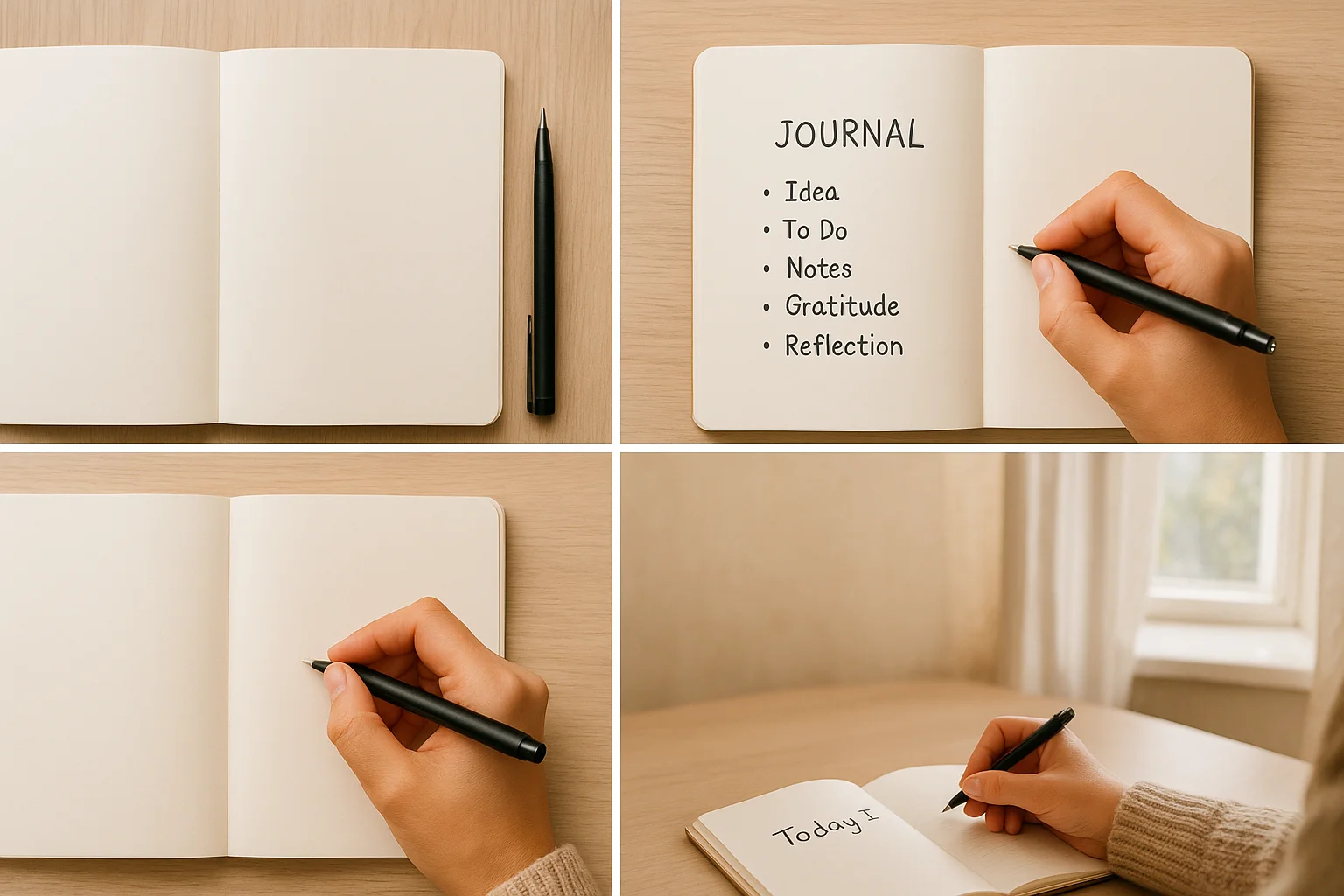
- Journaling as Therapy: Psychologist James Pennebaker’s landmark 1986 study found that people who wrote about emotional experiences for just 15–20 minutes a day reported stronger immune function, fewer doctor visits, and improved psychological well-being.
Journaling as Therapy
Sometimes, one of the most powerful tools for healing isn’t expensive or complicated—it’s simply putting pen to paper.
In 1986, psychologist James Pennebaker discovered just how transformative writing could be. In his study, people who wrote for just 15–20 minutes a day about emotional or difficult experiences showed:
- Stronger immune function
- Fewer doctor visits
- Improved psychological well-being
Why it works: Writing helps organize thoughts and emotions, making overwhelming feelings easier to process. It creates space between you and your experience, allowing you to reflect rather than just react. Many people also find it easier to write honestly than to speak their feelings out loud.
User-friendly view: Journaling isn’t about perfect grammar or beautiful sentences. It’s about honesty. Even scribbling messy notes in the margins of a notebook counts.
Try This: Spend 5 minutes tonight writing about something that’s been on your mind. Don’t worry about spelling or structure—just let the words flow. Notice how you feel afterward.

Making Complementary Therapies Accessible
One of the best things about complementary therapies is that many are free or low-cost. You don’t need fancy equipment or a big budget to get started.
Where to look for affordable options:
- Gyms & Fitness Studios often offer beginner yoga or mindfulness classes.
- Art Studios & Community Centers may host workshops in painting, pottery, or photography—creative outlets that support mental health.
- Wellness & Retreat Centers sometimes run special programs focused on stress reduction or emotional healing.
- Online Resources: Free guided meditations, journaling prompts, or yoga videos are widely available on platforms like YouTube or Insight Timer.
Many organizations also provide scholarships, discounts, or sliding-scale fees, so don’t hesitate to ask.
Final Thoughts
Complementary therapies aren’t a replacement for medical treatment—but they can be powerful partners. Research shows that practices like journaling, mindfulness, yoga, and energy healing can reduce stress, improve mood, and help people feel more balanced.
The beauty of these therapies is their flexibility: you can experiment, mix and match, and discover what fits your unique needs. Maybe it’s writing your thoughts before bed, moving through a gentle yoga flow, or taking 10 mindful breaths when you feel overwhelmed.
The key is consistency and curiosity. Over time, these small daily practices can build into big changes—helping you not just manage symptoms, but truly nurture your mental and emotional well-being.
Disclaimer: This article is intended for informational purposes only and does not constitute medical advice. The therapies and practices described are not recommended as a substitute for professional medical diagnosis, treatment, or care. Readers should consult a licensed physician or other qualified healthcare provider before making decisions regarding their health or beginning any new therapy.
Citations
- Pennebaker, James. Opening Up by Writing Down.
- Porter, Robert S., ed. The Merck Manual of Diagnosis and Therapy, 20th ed.
- Cleveland Clinic: “Depression: Alternative Therapies”
- Springer Science: “Cost-Effectiveness of Mindfulness-Based Stress Reduction”
- British Journal of Sports Medicine: “Evidence for the Benefit of Exercise
This structured approach makes it easier for readers to understand, navigate, and apply complementary therapies to their own lives. Would you like to add any personal experiences or insights to further connect with your audience?