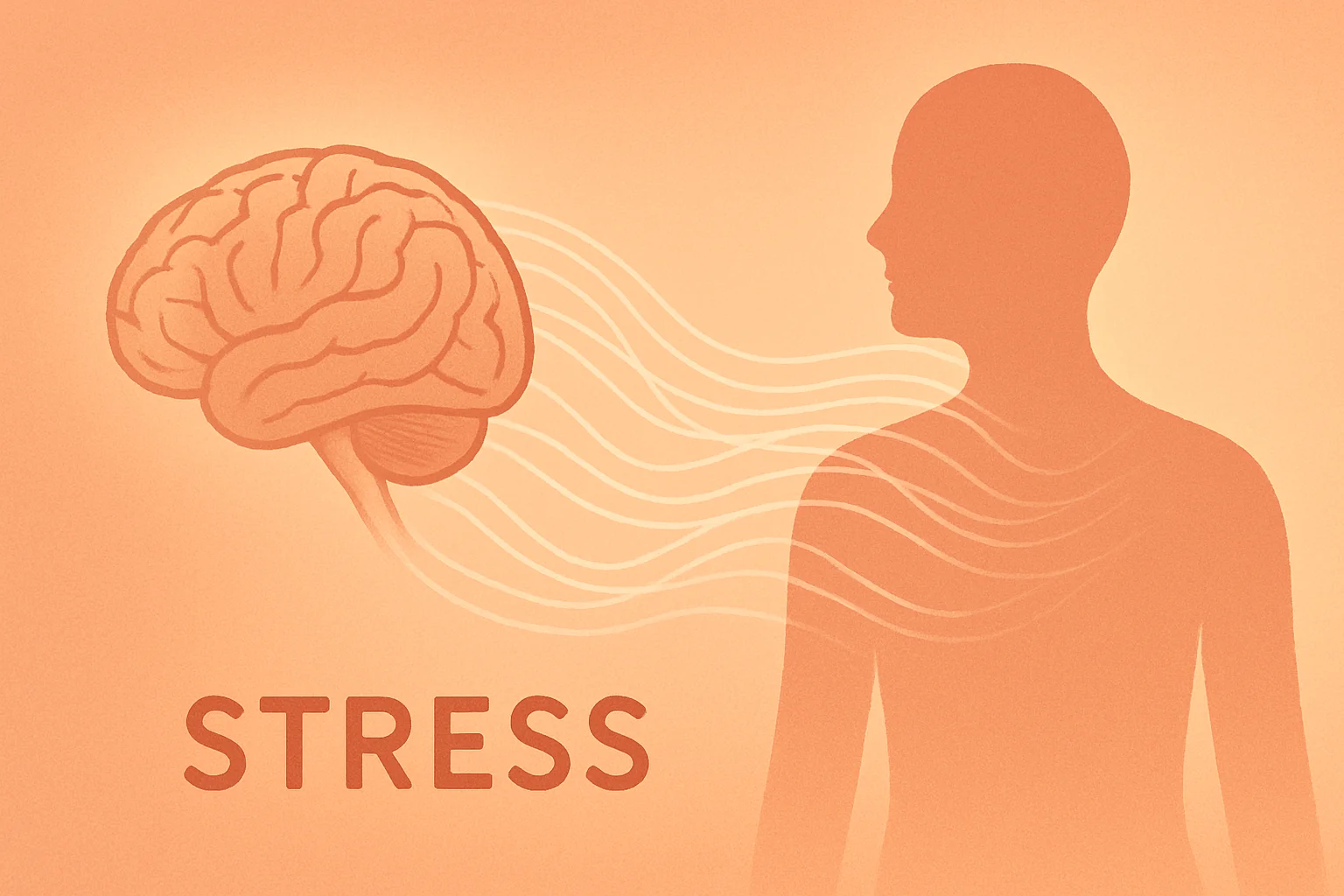

What if the simple act of writing could actually change your brain? Journaling for mental health doesn’t just help you process emotions—it literally strengthens neural pathways and helps your brain grow. This is called neuroplasticity, the brain’s ability to adapt, create new connections, and reorganize itself.
Many of us feel stuck in negative thought patterns or overwhelmed by stress. Research shows that daily journaling can help break these cycles, improve mood, and increase self-awareness. Studies even suggest measurable changes in brain regions when people write consistently. Whether you’re managing stress, mental health challenges, or simply want to improve focus and clarity, journaling is a simple, science-backed way to train your brain.
How Journaling Supports Neuroplasticity and Brain Health
Every time you journal, you engage multiple brain functions at once—recalling memories, naming emotions, and putting thoughts into words. This is like a mental workout that strengthens existing neural pathways and encourages new ones to form.
Research shows that different types of journaling stimulate key brain areas:
- Prefrontal cortex – improves focus, planning, and decision-making
- Hippocampus – strengthens memory and learning
- Amygdala – regulates emotions and reduces stress
Different journaling techniques target these regions in unique ways:
- Reflective journaling – helps process emotions and recognize patterns
- Gratitude journaling – boosts positivity and activates the prefrontal cortex
- Goal-setting journaling – strengthens pathways for organization and problem-solving
Even short, focused sessions of 5–20 minutes a day can improve cognitive function, emotional balance, and overall mental well-being.
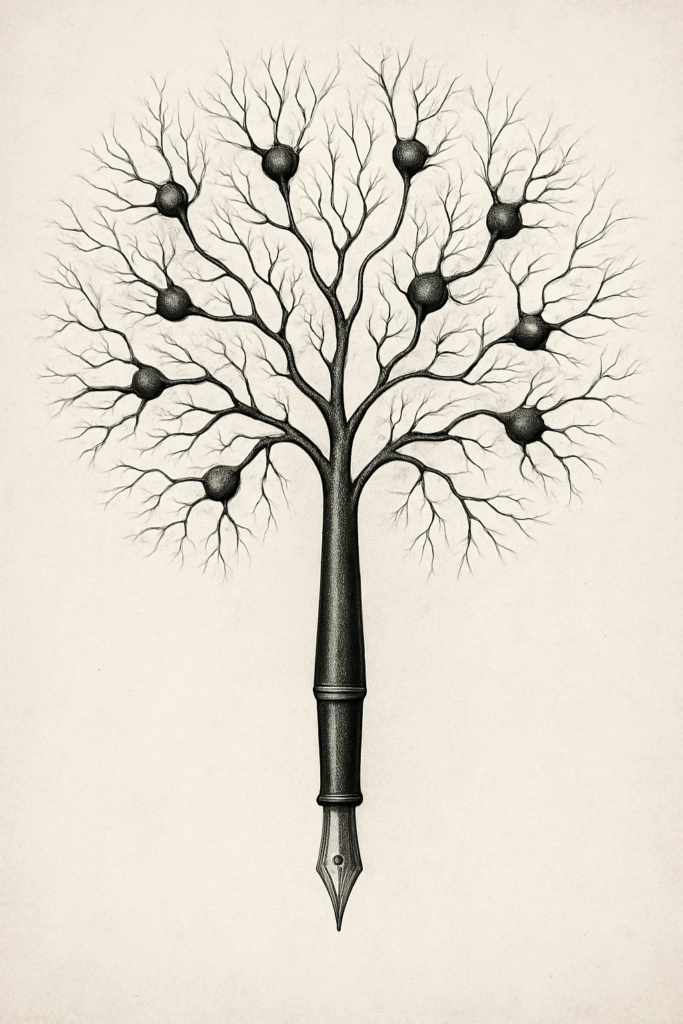
My Personal Experience: Journaling for Bipolar Disorder
I first discovered the power of neuroplasticity in 2008, when I was diagnosed with bipolar disorder after years of depression. My psychiatrist explained that while medication could help, the brain could also heal itself through consistent exercises that challenge and strengthen neural pathways.
For me, journaling became that exercise. I wrote every day—sometimes for an hour or more—focusing on one topic at a time. I treated my journal like a classroom, studying complex subjects and writing lectures for myself. Some days I planned elaborate vacations, researching currency exchange, the best time to travel, and local customs, then creating detailed itineraries. Other days, I explored historical events, scientific concepts, or personal goal-setting exercises. Switching topics after mastering one skill kept my brain constantly challenged and growing.
Slowly, I noticed real changes: my thinking became sharper, my emotions steadier, and my clarity improved. Over the years, my reliance on medication decreased significantly. Journaling didn’t just help me cope—it rewired my brain. The science of neuroplasticity explained why it worked, but the act of writing made it real.
How 20 Minutes of Focused Journaling Changes Your Brain
Studies suggest that just 20 minutes of focused mental exercise each day can significantly improve memory, attention, and problem-solving skills (Frontiers in Psychology, 2019). When journaling for neuroplasticity, it’s not just about writing—it’s about writing with full focus on a single topic.
By dedicating this short, concentrated time to your journal, you engage the brain in deep cognitive and emotional processing. This focused approach strengthens neural pathways, creates new connections, and maximizes your brain’s capacity to grow. Whether you’re researching a topic, planning a project, or reflecting deeply on your emotions, the key is consistent, purposeful focus.
As Albert Einstein once said, “Intellectual growth should commence at birth and cease only at death.” Journaling lets your brain grow continuously—every page is an opportunity to challenge your mind, strengthen pathways, and expand knowledge.

Journaling as a Healing Tool
Journaling isn’t just for reflection—it can help with recovery from brain injuries, mental health conditions, and stress. Writing exercises that target memory, language, or emotional processing help reactivate neural pathways and build new ones.
In this way, journaling becomes more than a creative outlet—it’s a gentle, accessible form of cognitive rehabilitation and emotional resilience training. Whether you’re recovering from trauma or seeking personal growth, journaling is a safe and effective tool.
How to Start Journaling for Your Brain
You don’t need to write for hours to see results. Here are some journaling techniques for mental health and brain health:
- Daily reflection: Write about one meaningful moment or challenge from your day
- Gratitude journaling: Note three things you’re thankful for
- Emotion tracking: Identify your feelings and explore why you feel them
- Goal-setting or problem-solving: Break down challenges and plan next steps
Even a short, consistent session—five to twenty minutes a day—can strengthen your brain, improve focus, and enhance emotional clarity. Focus on one topic, write freely, and review your entries weekly to notice patterns and progress. Remember: the key is full attention and deliberate focus during those minutes.

Final Thoughts
The human brain is incredibly adaptable, and journaling for neuroplasticity is a simple, powerful way to strengthen neural pathways, improve cognitive function, and build emotional resilience. I’ve experienced this firsthand—by committing to daily journaling with full focus, studying complex topics, and challenging my mind, I became sharper, calmer, and more clear-headed over time.
Whether you’re managing mental health challenges, recovering from a brain injury, or simply seeking personal growth, journaling is a research-backed tool that anyone can use. Start today, even if it’s just five minutes, and watch your mind begin to shift—one page at a time.