
The Benefits of Journaling: Writing as a Path to Clarity and Healing
Journaling is one of the simplest yet most powerful tools for reflection and growth. It helps us make sense of experiences, process emotions, and preserve the details of our lives.
The five journals below—written by poets, explorers, artists, and spiritual teachers—show just how diverse and meaningful this practice can be. Each one offers a glimpse into the author’s mind and shows how journaling becomes a form of art, healing, and discovery.
1. The Cancer Journals — Audre Lorde
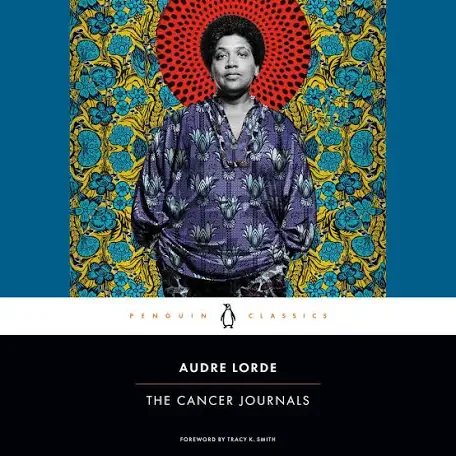
Poet, feminist, and activist Audre Lorde transformed her private reflections on illness into a powerful statement of survival and identity. In The Cancer Journals, she confronts breast cancer with courage and insight, blending personal experience with social commentary. Lorde’s writing demonstrates how journaling can turn pain into empowerment and give voice to what others fear to say.
Type: Reflective / Healing
Unique for: Turning personal illness into political and personal strength.
2. The Journals of Lewis and Clark
These iconic journals document the historic expedition (1804–1806) of Meriwether Lewis and William Clark as they explored the American West. Their pages combine scientific notes, detailed sketches, and vivid descriptions of landscapes and Indigenous cultures. It’s a classic example of exploratory journaling, capturing discovery, endurance, and curiosity.
Type: Exploratory / Historical
Unique for: Offering a first-hand look at early American exploration and adventure.
3. Fragrant Palm Leaves — Thích Nhất Hạnh
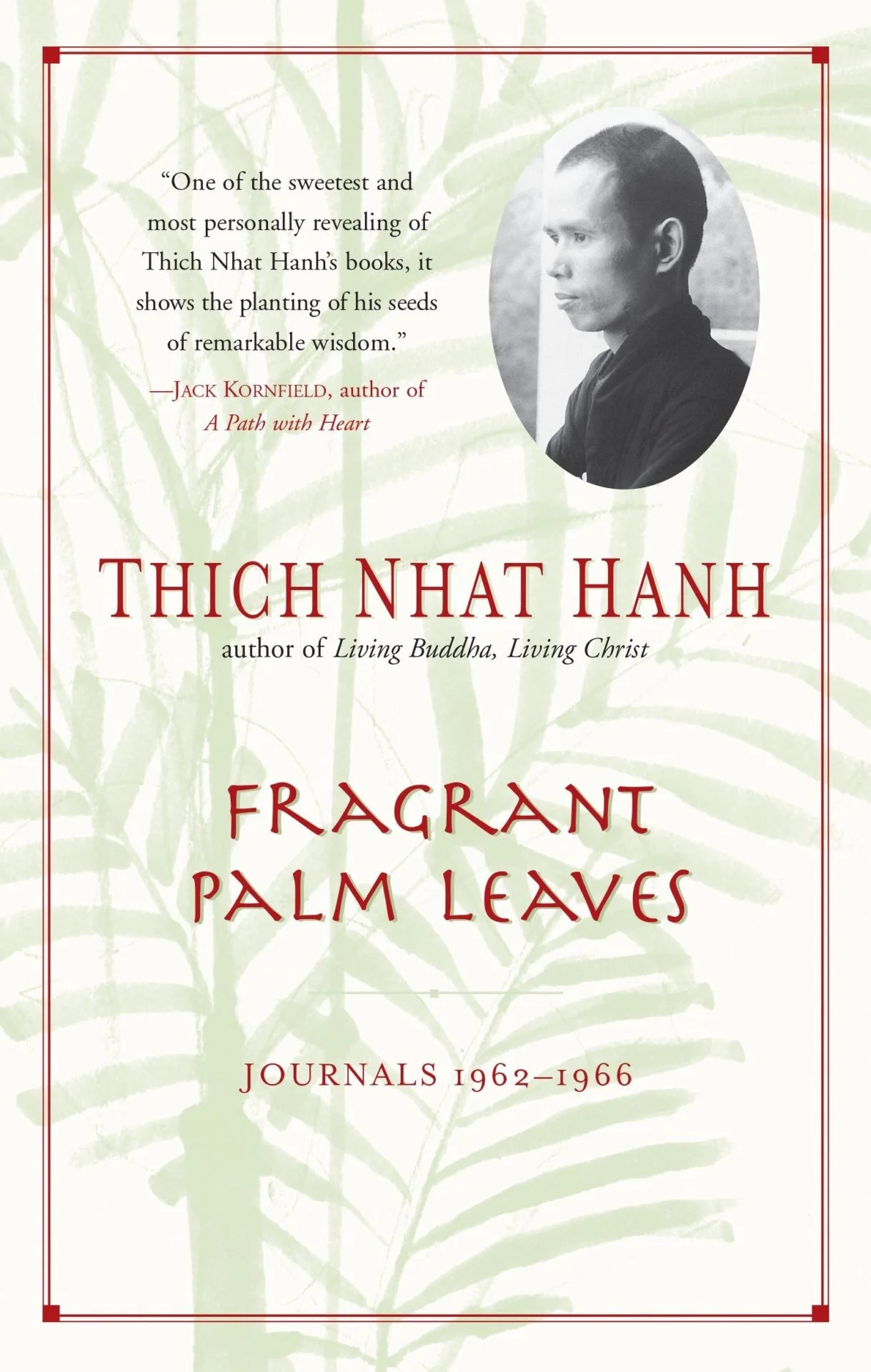
Before becoming a global voice for peace and mindfulness, Thích Nhất Hạnh wrote Fragrant Palm Leaves—his deeply personal journal from the 1960s. It’s a moving reflection on solitude, spirituality, and compassion. His writing blends Buddhist philosophy with daily awareness, showing how mindful journaling can nurture clarity and calm.
Type: Spiritual / Reflective
Unique for: Blending mindfulness and personal reflection in lyrical, meditative prose.
4. Keith Haring: Journals
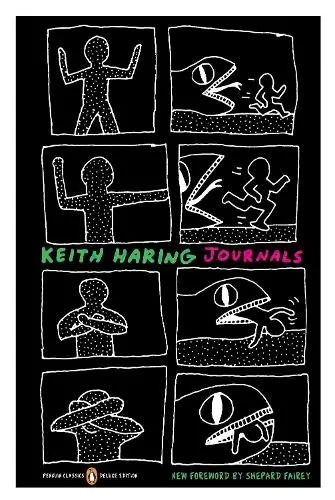
The journal of artist Keith Haring captures the energy and creativity of 1980s New York. Haring recorded everything—from artistic inspiration and activism to his reflections on fame and mortality. His pages are alive with sketches, questions, and determination. For artists and creatives, Haring’s writing is a reminder that journaling can be a playground for imagination.
Type: Creative / Artistic Process
Unique for: Revealing the creative and emotional process behind groundbreaking art.
5. The Journals of Sylvia Plath
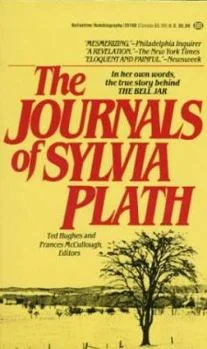
Sylvia Plath’s journals are among the most famous in literary history. They reveal her brilliance, ambition, and vulnerability as a poet and woman searching for meaning. Her entries move between daily life and lyrical thought, showing how creative journaling can become a mirror of one’s inner world.
Type: Literary / Emotional Exploration
Unique for: Unfiltered honesty and emotional intensity from one of literature’s most gifted voices.
Why These Famous Journals Still Inspire Today
Each of these journals shows that writing privately can have public power. From Lorde’s courage to Haring’s creativity, from Lewis and Clark’s adventure to Thích Nhất Hạnh’s mindfulness, and Plath’s raw introspection—each writer used journaling to understand life more deeply.
Their words remind us that our own journals don’t need to be perfect or poetic; they only need to be true.
How to Start Journaling Today
If these works inspire you to begin, here are a few simple ways to start journaling:
- Begin small: Write one paragraph about your day or one emotion you felt.
- Try different formats: Mix lists, sketches, gratitude entries, or quotes.
- Write without judgment: Journals are private spaces—honesty matters more than grammar.
- Reflect weekly: Re-read entries to notice patterns, growth, and insight.
You don’t have to be an artist or a writer. Journaling is a quiet conversation with yourself—one that can bring awareness, healing, and hope.