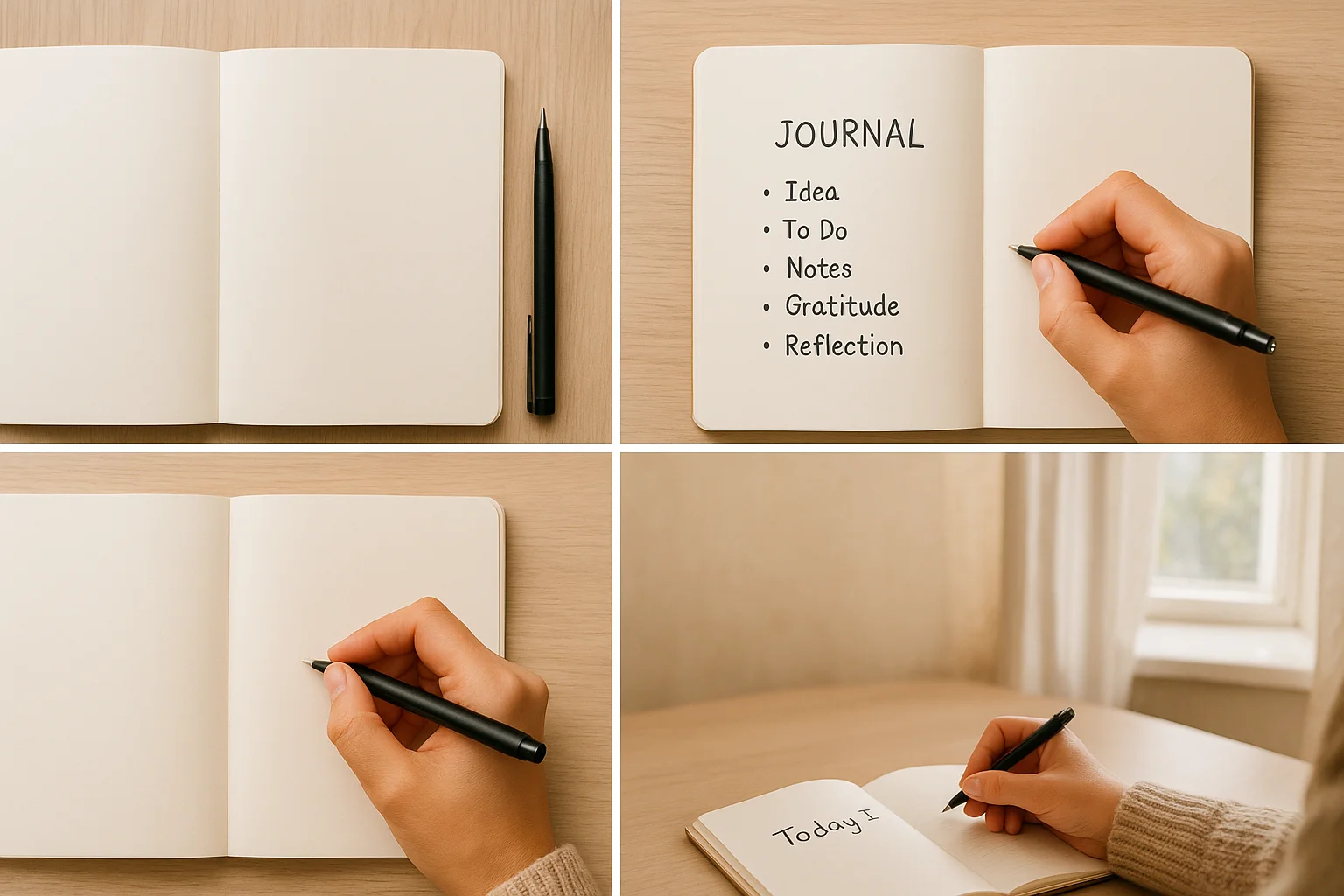
Journaling is an incredible opportunity to express your thoughts, capture meaningful moments, and process experiences. It doesn’t cost anything, it’s easy to start, it’s always available, and your journal never judges you.
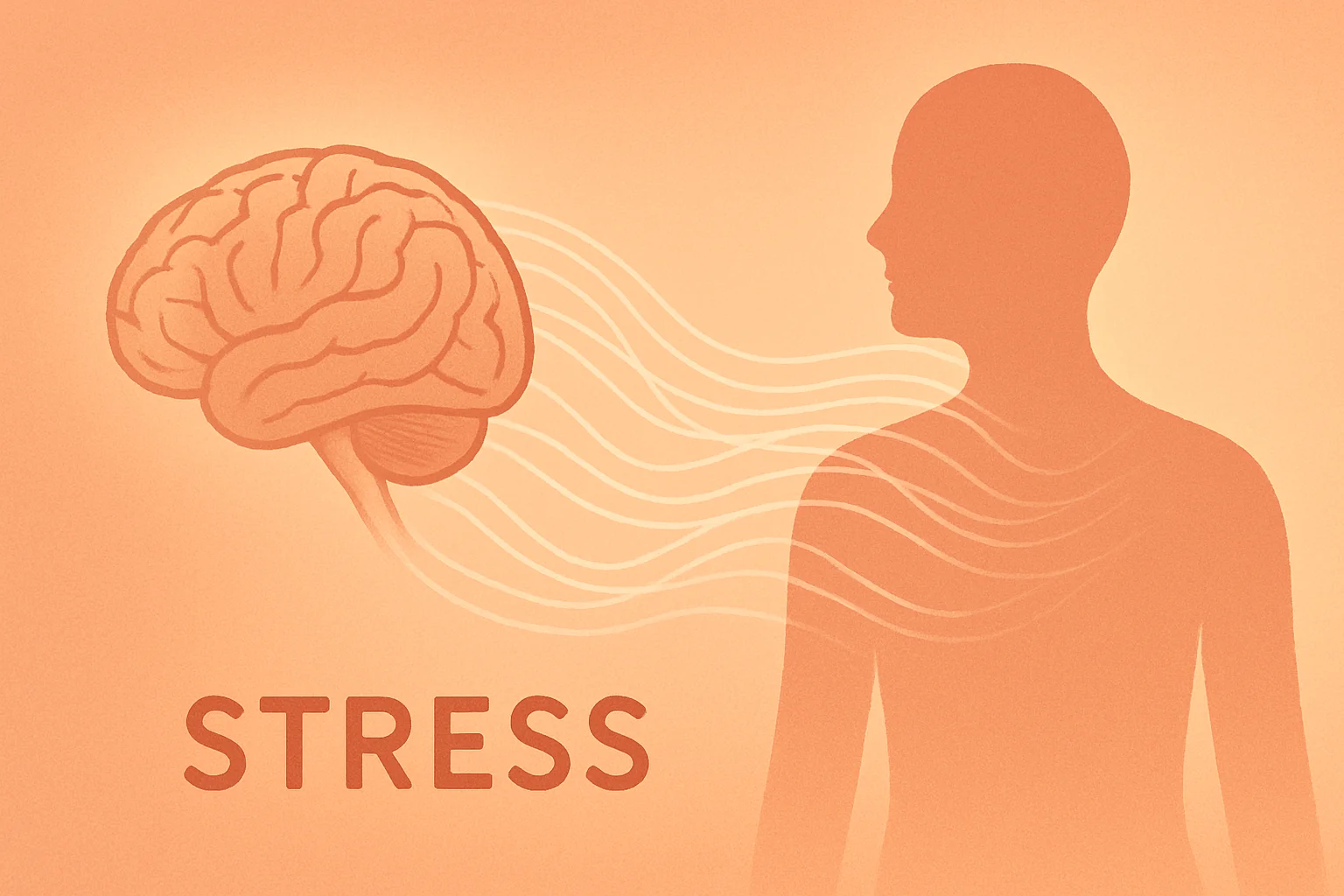
Research consistently shows that journaling can improve emotional health, reduce stress, increase self-awareness, and even support physical well-being. With so many benefits, the real question becomes:
How do you begin?
The answer depends on why you want to journal. Your purpose will guide your style.
How to Choose Your Journaling Style
If your main goal is organization, you may gravitate toward bullet journaling.
If you’re drawn to creativity, art journaling may feel fulfilling.
If you want to process emotions, expressive writing can help.
If you’d like structure, guided journaling offers prompts.
And if you love capturing the story of your life, chronological journaling may feel natural.
Use the flow chart below to explore your best starting point.

Journaling Style Flow Chart
Start Here →
Do you want journaling to feel more emotional or more organized?
If Emotional:
Do you prefer words or images?
- Words → Expressive Writing
You need a space to release feelings and think things through. - Images / color / collage → Art Journaling
You want journaling to feel soothing, visual, and intuitive.

If Organized:
Do you prefer structure or reflection?
- Structure + planning → Bullet Journaling
Helps manage daily tasks, goals, and routines. - Reflection + guidance → Guided Journaling
Prompts help you explore thoughts and personal growth.
If Not Sure / In-Between:
Do you want to record life events?
- Yes → Chronological Journaling
Creates a living record of your days and patterns. - No → Mix and match!
Your journaling style can change day to day.
There Is No Right or Wrong Way to Journal
Each journaling style offers different benefits and meets different needs.
You can switch styles anytime. You can blend them. You can return to what works when life changes. The only regret most journalers express is:
“I wish I had started sooner.”

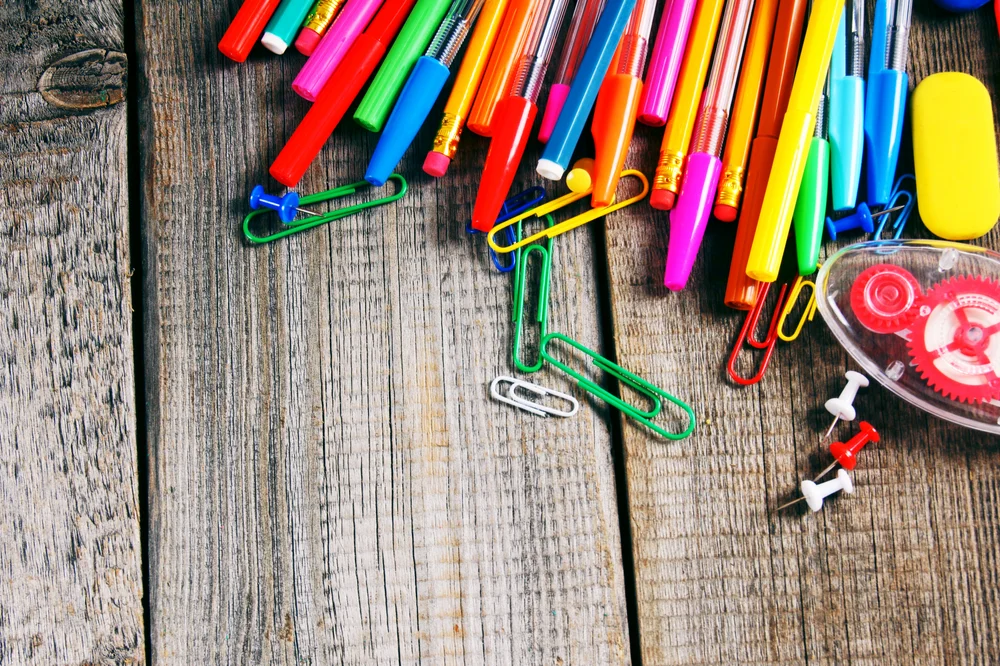
Creative & Decorative Supplies
Perfect for expressive, visual, or mood-based journaling:
Colored pens and markers for highlighting feelings or thoughts.
Highlighters to mark insights or track recurring themes.
Washi tape for borders, section dividers, or page accents.
Stickers or printed quotes to add meaning or aesthetic appeal.
Glue stick or double-sided tape for adding photos, ticket stubs, or mementos.
Small scissors for trimming paper elements neatly.
Organizational & Tracking Tools
For bullet journals, planners, or habit trackers:
Ruler or straight edge for clean lines and grids.
Stencils for icons, habit boxes, or trackers.
Tabs or sticky notes to mark sections or revisit favorite entries.
Index cards for goal lists, affirmations, or portable prompts.
Colored paper clips to mark
Storage pouch or pencil case to keep everything organized.
Other Considerations
Beyond the type of paper, you may also want to think about the size and length of your journal. The format you choose can shape your experience more than you might expect.
Some people love the idea of keeping one large, ongoing journal—it feels like a continuous story, a single place where everything belongs. Large journals are great for people who:
Write frequently or in long sessions
Prefer having many months of entries in one book
Like the sense of continuity and preservation that comes with keeping fewer, fuller volumes
Personally, I find the prospect of starting a large journal only to switch gears halfway through a bit overwhelming. I tend to use thinner journals instead. They feel lighter, more flexible, and easier to finish—which gives a satisfying sense of completion and allows for fresh beginnings more often.
You might also experiment with different shapes and bindings:
Hardcover journals last longer and can withstand travel or daily use.
Softcover notebooks bend easily and fit into bags or pockets.
Ring-bound or spiral journals lie flat, making them easier to write in comfortably.

Journaling Techniques You Can Try Today
1. Prompts
A question or statement designed to guide reflection.
Example: “What is one thing I learned about myself this week?”
2. The Unsent Letter
Write to someone (or yourself) without sending it.
Helps release emotions and gain clarity.
3. Captured Moments
Write a vivid description of one moment from your day.
Supports presence and emotional awareness.
4. Brain Dump / Mind Sweep
Write everything on your mind without editing.
Excellent for reducing stress and mental clutter.
5. Sentence Stems
Start with a phrase and finish it freely.
Example: “I feel most grounded when…”

Where to Begin: A Simple Daily Format
Use this on a note card and keep it inside your journal:
Daily Entry Guide
- Date
- How do I feel right now?
- What happened recently (key events or reflections)?
- One thing I’m grateful for
- One thing I want to remember or work on
This structure keeps journaling meaningful without being overwhelming. Try these, add some, or begin your own list.
5-Day Journaling Starter Plan
Try one small journaling practice each day to build momentum:
Day 1: Write for 5 minutes about how you’re feeling today.
Day 2: Use a favorite journal prompt or sentence stem.
Day 3: Capture one vivid moment — a memory, scene, or conversation.
Day 4: Add creativity with color, collage, or simple doodles.
Day 5: Review your entries and highlight one line or insight that stands out.
This short plan gives structure while keeping journaling approachable.

Creating a Journaling Ritual
Your environment and small rituals can make journaling feel intentional and comforting:
- Choose a consistent spot: a cozy corner, a favorite chair, or outdoors when possible.
- Add comforting elements: a warm drink, soft music or silence, a candle, or a blanket.
- Try journaling at a consistent time — morning reflection or bedtime wind-down.
Small rituals help your body and mind recognize that journaling is a space for self-care.

Tips for Staying Consistent
Consistency doesn’t mean perfection. Use these strategies:
- Keep your journal visible — not tucked away in a drawer.
- Start with small entries — even one sentence counts.
- Let go of perfection — messy entries are meaningful.
- Don’t wait for inspiration — show up regularly, even briefly.
- Remind yourself: your journal is for you, not anyone else.
If You Ever Feel Stuck
Sometimes the blank page feels intimidating. Try these prompts to get moving:
- Write one sentence about how your body feels.
- Note a question you wish someone would ask you.
- Describe the weather or light in your environment.
- List three thoughts taking up space in your mind.
- Begin with: “Right now, I’m noticing…”
Remember: the goal isn’t to be profound. The goal is to show up.
Conclusion
You don’t have to journal perfectly.
You don’t have to write every day.
You don’t have to make it beautiful, clever, or complete.
Your journal is simply a place to meet yourself.
Start where you are.
Say what is true in this moment.
Let your journal become a companion — not a task.
Over time, you will look back and see growth, insights, and resilience.
This is how you learn to listen to yourself.
Sample Prompts/exercises
Love and Romance
Write a Love Letter: Draft a heartfelt letter sharing everything you admire and appreciate about them.
List Reasons You Love Them: Create a list of 25 (or more) reasons why they mean so much to you.
Describe a Favorite Memory: Journal about a moment you shared together that made you feel especially close.
Gratitude
What’s a small moment of kindness you witnessed today?
Who in your life do you appreciate the most right now?
What is a skill you’re thankful for having?
What’s something beautiful you saw today?
Journaling Your Life
Describe a possession you would like to keep if all else were lost
What nicknames have you had or wished you had?
Describe one of the best gifts you have ever received?
Imagine you are creating a time capsule that will be opened 10 years from now. What would you put inside to represent your life today, your hopes, and your current self?
Resources and Citations