Journaling is not one-size-fits-all. Your journal can be practical, emotional, creative, reflective—or a mix of all of these. Use this guide to explore different approaches and choose the one that matches your goals and your personality.
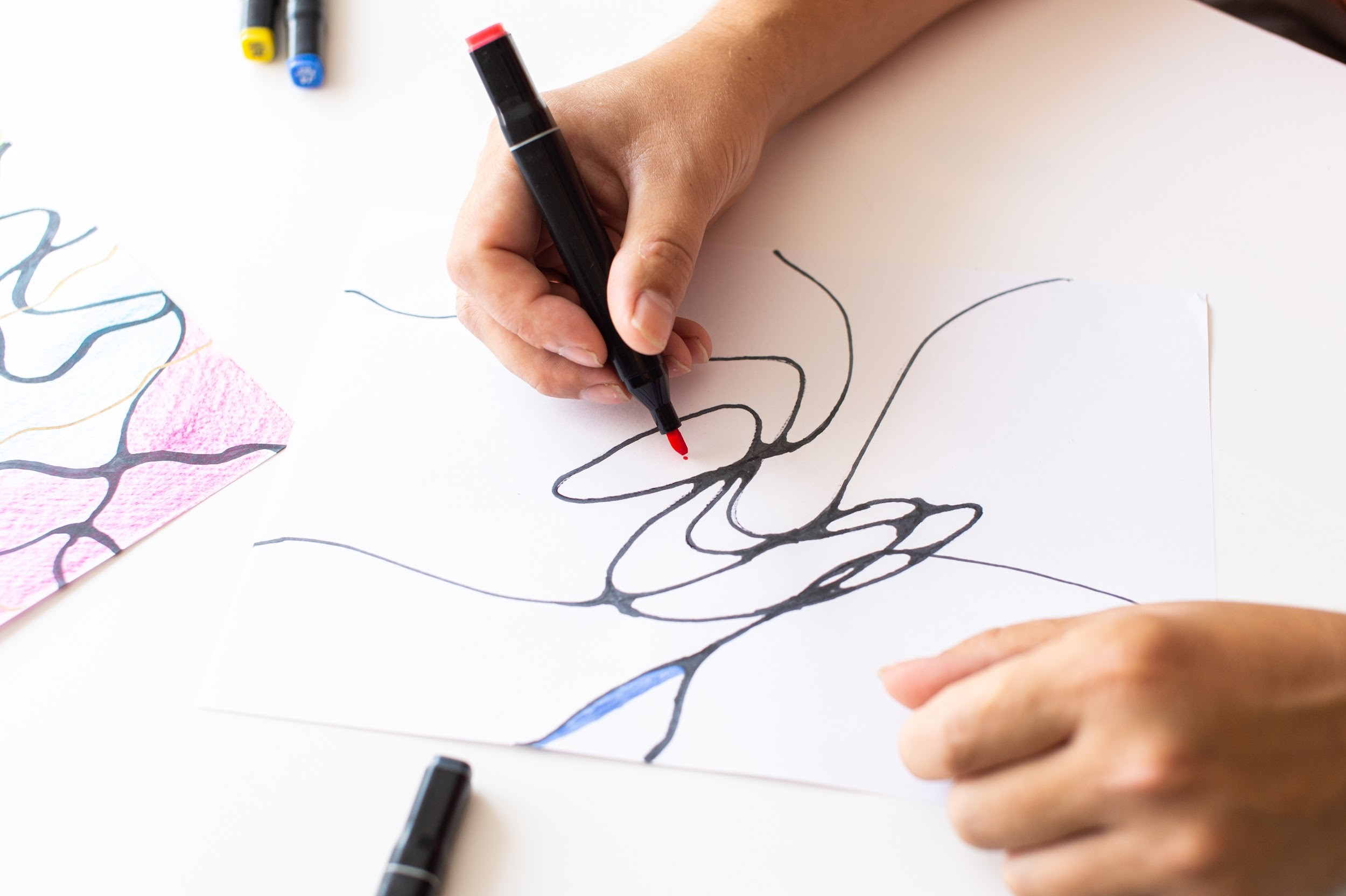
1. Art Journaling
What it is:
A journal that uses images, color, shapes, and creative materials to express ideas and emotions, instead of relying only on words.
Useful if you:
- Feel more than you can explain
- Enjoy creativity or want journaling to feel calming
- Prefer visual expression to long writing
Why choose it:
Art journaling creates emotional space without needing to “figure things out” in words. It’s grounding, playful, and non-judgmental.
How to Get Started:
- Get a sketchbook or mixed media journal.
- Gather supplies (pens, colored pencils, watercolor, magazine clippings, markers—whatever you have).
- Start small: a color wash background + a few shapes or doodles.
- Add a word, short quote, or date if you want—no pressure.
- Let the page be a feeling, not a finished artwork.
2. Bullet Journaling
What it is:
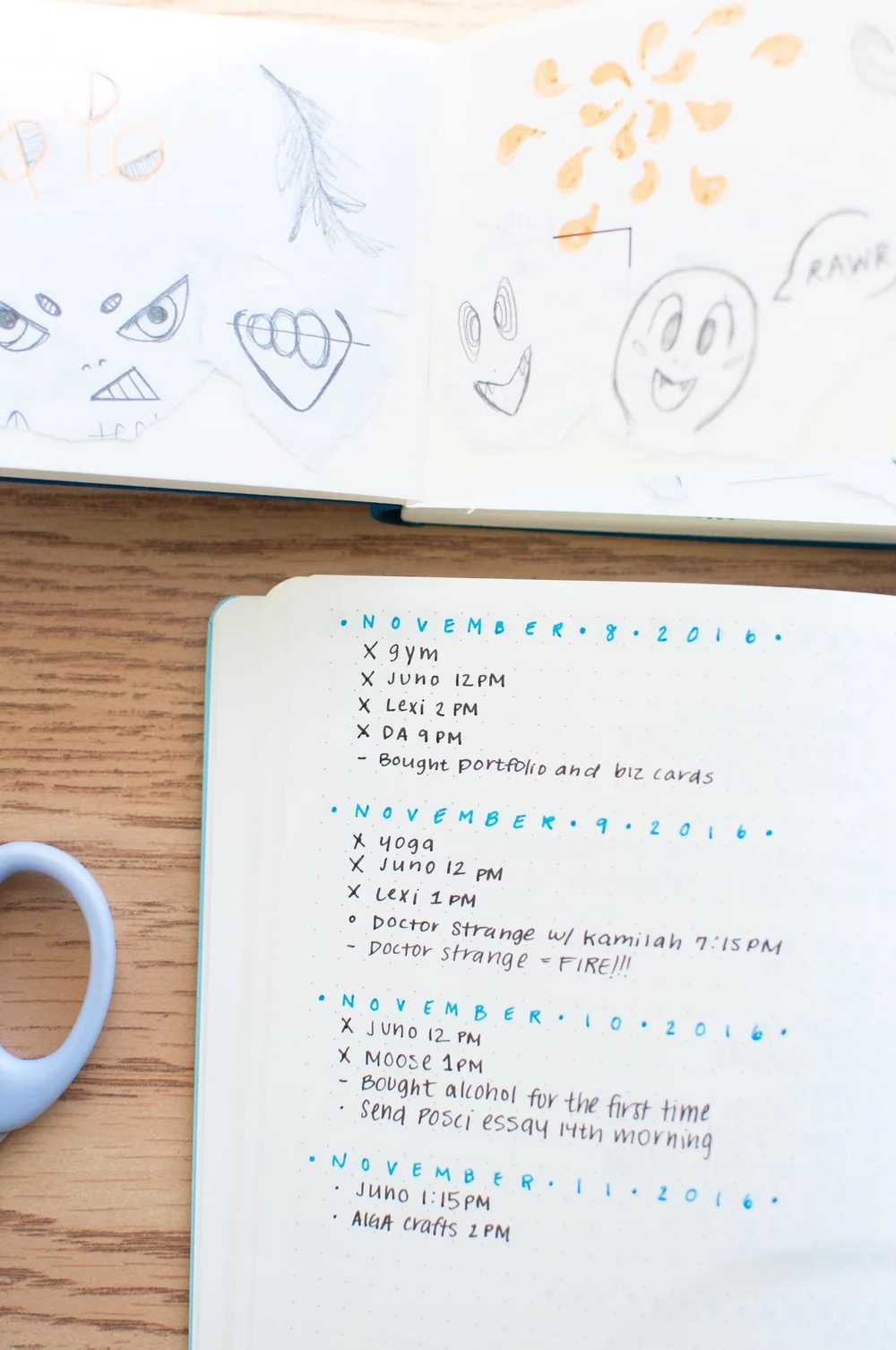
A structured method that uses bullet points, weekly layouts, trackers, and lists to organize tasks, habits, and ideas.
Useful if you:
- Want structure or routine
- Prefer simple, short entries
- Like merging planning + reflection in one place
Why choose it:
This system helps keep life organized and visually clear. It’s a practical support for focus, memory, and goals.
How to Get Started:
- Use any blank notebook.
- Create three simple pages to begin:
- Monthly Overview
- Weekly Log
- Daily To-Dos
- Use bullets for tasks, circles for events, dashes for thoughts.
- Don’t worry about decorative pages at first — function first, aesthetics later.
- Review what worked each week and adjust.
3. Expressive Writing
What it is:
Writing freely and honestly about your thoughts and emotional experiences—no editing, no grammar, no structure required.
Useful if you:
- Need emotional release
- Are processing stress, grief, or overwhelm
- Value honesty over neatness

Why choose it:
Research shows expressive writing reduces anxiety and improves clarity by letting you work through internal noise.
How to Get Started:
- Pick a notebook that feels private and personal.
- Set a timer for 5–15 minutes.
- Write without stopping—no rereading, correcting, or evaluating.
- Don’t worry about complete sentences.
- When the timer ends, pause, breathe, close the journal — you’re done.
Guided Journaling
What it is:
A journaling approach that uses prompts—questions or themes—to help you reflect. Prompts can be from books, cards, apps, or printed worksheets.
Useful if you:
- Want reflection but don’t know what to write
- Prefer structure and direction
- Are exploring identity, healing, self-discovery, or habits
Why choose it:
Guided journaling reduces the pressure to “come up with something.” The prompts lead you into meaningful insight gently.
How to Get Started:
- Choose a guided journal or a list of prompts from a book or blog.
- Pick one prompt each day or week.
- Write for 5–10 minutes — keep responses short and simple.
- If a prompt feels emotional, slow down and breathe before writing.
- You can return to meaningful prompts again later—they often change as you change.
5. Chronological (Diary-Style) Journaling
What it is:
Writing about daily life in the order things occur. This is the classic “dear diary” format.
Useful if you:
- Want to observe your life over time
- Like storytelling and reflection
- Want a record of your days, experiences, or routines
Why choose it:
This type creates a personal history, helping you see growth, patterns, and themes you might otherwise miss.
How to Get Started:
- Choose a time each day (morning or before bed is common).
- Write 3–6 sentences about:
- What happened
- How you felt
- Anything you learned or noticed
- Date each entry.
- Don’t try to capture everything — just the highlights.’
- Revisit past entries monthly to notice changes and patterns.