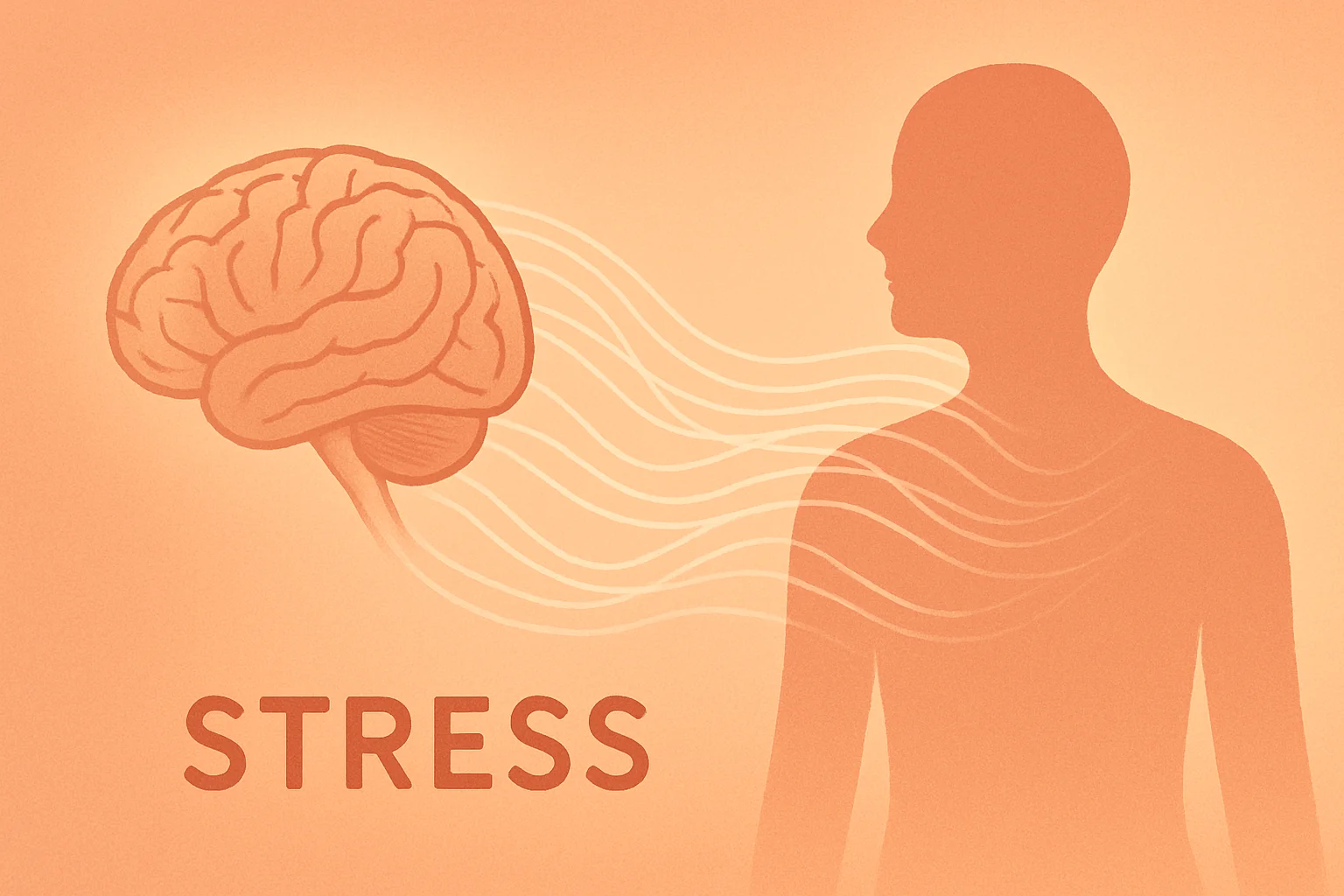
Anxiety doesn’t only live in the mind — it shows up in the body too. When your brain stays in a constant state of stress, your nervous system releases chemicals like cortisol and adrenaline. Cortisol is a hormone that helps your body stay alert and ready to handle challenges, but too much of it for too long can make you tired or tense. Adrenaline is what gives you a quick burst of energy — the same rush you might feel before a big test or when you’re scared. Over time, this “fight-or-flight” response can create physical symptoms of anxiety that affect everything from sleep to digestion.
Below are nine common ways anxiety impacts your body — plus simple tips to help you manage them.
1. Headaches
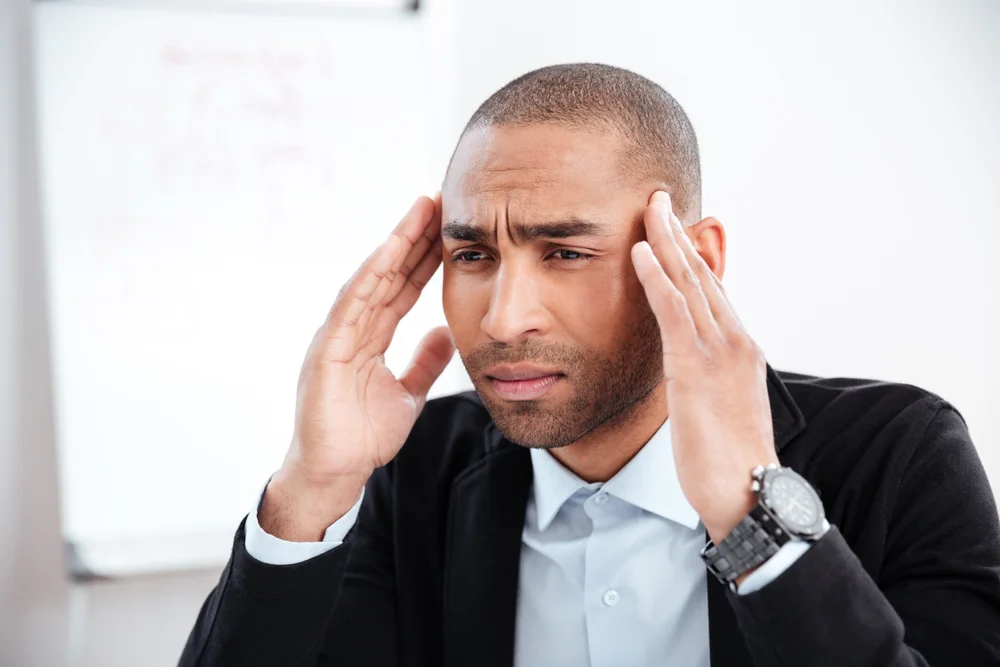
One of the most common physical signs of anxiety is tension headaches. Constant muscle tightening in the neck, shoulders, and scalp, combined with stress hormones, can create throbbing or pressure-like pain. Teeth grinding or jaw clenching can make it worse.
What helps: Gentle stretching, hydration, and relaxation exercises can ease tension and reduce headache frequency.
2. Fatigue
Anxiety keeps your body on high alert, using up enormous amounts of energy. That’s why many people feel drained or sluggish, even after a full night’s rest.
What helps: Maintain a consistent sleep routine, fuel your body with nutrient-rich foods, and schedule time for true rest and recovery.

3. High Blood Pressure
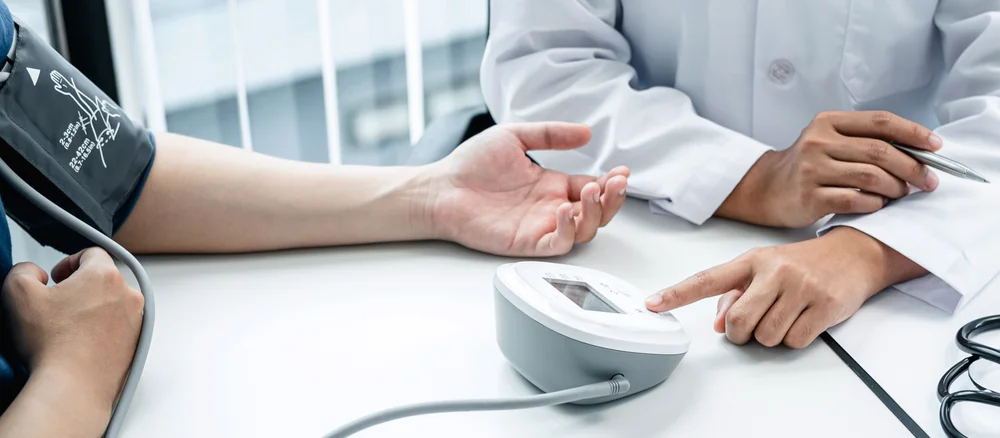
During anxious moments, your heart rate increases and blood vessels constrict, temporarily raising blood pressure. Chronic anxiety can make this stress response more frequent, putting strain on the cardiovascular system.
What helps: Regular movement, deep breathing, and calming activities like yoga or meditation can help keep blood pressure in check.
4. Weakened Immune System
Chronic stress suppresses the immune system by reducing the activity of white blood cells. This makes it harder to fight off infections, heal wounds, or recover from illness.
What helps: Prioritize sleep, a balanced diet, and daily relaxation techniques to help your immune system function properly.
5. Worsening Respiratory Problems
For those with asthma or other breathing conditions, anxiety can make symptoms worse. Rapid, shallow breathing or hyperventilation triggered by stress can cause lightheadedness, chest tightness, or shortness of breath.
What helps: Practice slow, deep breathing — inhaling through the nose and exhaling through the mouth — to calm both body and mind.

6. Insomnia
Racing thoughts and physical tension can make it hard to fall or stay asleep. Over time, sleep problems caused by anxiety can worsen fatigue and irritability, creating a difficult cycle.
What helps: Avoid caffeine late in the day, create a calming bedtime routine, and try mindfulness meditation before bed.
7. Body Aches and Muscle Tension
Anxiety often leads to muscle tightness throughout the body — especially in the shoulders, neck, and back. Over time, this can cause chronic pain or stiffness.
What helps: Gentle stretching, massage, or warm baths can help muscles relax and improve circulation.

8. Irritability
When the body is under constant stress, even small frustrations can trigger strong reactions. Hormonal changes caused by anxiety can make you feel more sensitive, tense, or on edge.
What helps: Practice deep breathing, get enough rest, and take short breaks throughout the day to prevent emotional overload.
9. Gastrointestinal Problems
Anxiety directly affects the gut through the brain-gut connection. Stress can slow digestion or cause the stomach to produce more acid, leading to nausea, cramps, diarrhea, or constipation.
What helps: Eat smaller, balanced meals, stay hydrated, and use relaxation techniques like diaphragmatic breathing to soothe your digestive system.
Understanding the Mind-Body Connection

The physical effects of anxiety show how deeply the mind and body are connected. While occasional stress is normal, chronic anxiety can harm your long-term health. Recognizing these symptoms is the first step toward healing both physically and emotionally.
If your symptoms persist, reach out to a healthcare professional. With the right combination of lifestyle changes, therapy, and medical care, you can calm your nervous system and restore balance to your body.
Key Takeaway
Anxiety isn’t just emotional — it can manifest as real, physical pain. From headaches and fatigue to digestive issues and high blood pressure, anxiety touches nearly every system in the body. By managing stress and supporting your physical health, you can begin to break the cycle and feel like yourself again.