Anxiety can show up as a racing heart, shallow breaths, a tight chest, or a sense that something is wrong even when it’s not. One of the simplest and most powerful tools to calm anxiety is something you already do all day- breathing. But not just any breathing — intentional, controlled breathing where you breather out more oxygen then you take in.
Here’s how and why it works.
The Connection Between Breathing and Anxiety
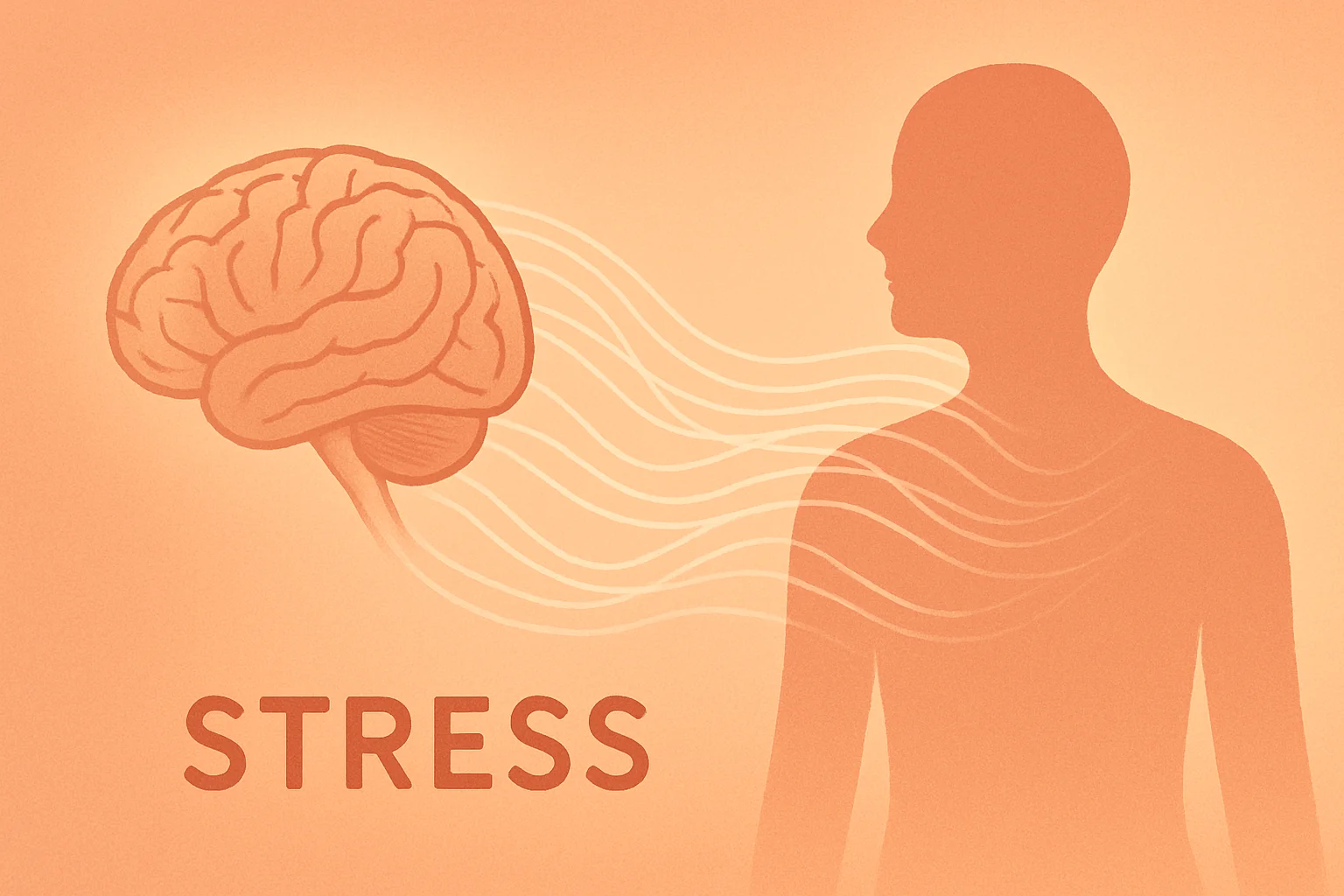
When you feel anxious, your body shifts into “fight or flight” mode, driven by the sympathetic nervous system. Your breathing becomes fast and shallow, which tells your brain there’s danger — even when there isn’t. You can break that cycle by slowing your breath and exhaling longer than you inhale.n. Doing this activates the parasympathetic nervous system, your body’s built-in calming system.
Why Longer Exhales Calm You Down
Exhaling slowly and completely stimulates the vagus nerve, a key player in the parasympathetic nervous system. This helps:
- Slow your heart rate
- Lower blood pressure
- Relax your chest and diaphragm
- Prevent hyperventilation
- Create a sense of control
A simple rhythm like inhaling for 4 seconds and exhaling for 6 to 8 seconds can quickly reduce physical symptoms of anxiety and help your mind settle.
How Long Should You Practice This?
Even 1–2 minutes of this breathing pattern can help. For deeper calm, try:
- 5 minutes, repeating the 4–6 (or 4–8) breathing cycle
- Practicing several times a day, especially before sleep or after stressful events
It’s important to stay gentle with yourself. You should never feel strained or out of breath. The goal is consistency, not perfection.
A Simple Breathing Technique to Try
Extended Exhale Breathing
Try this when you feel anxious or want to relax:
- Sit or lie down comfortably.
- Inhale gently through your nose for 4 seconds.
- Exhale slowly through your mouth for 6–8 seconds.
- Pause briefly before your next inhale.
- Repeat for 5 minutes or as long as feels good.
Use this technique during morning routines, work breaks, or bedtime to train your body to shift out of stress more easily.

The Science Behind It: Your Autonomic Nervous System
Your ability to relax through breathing starts with your autonomic nervous system (ANS) — the system that controls automatic body functions like heart rate, digestion, breathing, and blood pressure.
It has two main branches:
- Sympathetic Nervous System (SNS) – Activates the “fight or flight” response. It prepares your body to deal with threats, whether real or imagined.
- Parasympathetic Nervous System (PNS) – Promotes the “rest and digest” state. It helps you calm down, slow your heart rate, and restore balance.
These two systems constantly work together to maintain your body’s equilibrium. When stress dominates, the SNS stays overactive — but you can re-balance it by using your breath.

Final Thoughts
Your breath is a powerful, natural way to shift your body out of stress mode and into calm. By simply exhaling longer than you inhale, you activate the system that helps your body rest, recover, and feel safe.
Start small. Be patient. And remember — every exhale is a step toward calm.