
Caution: This fact sheet provides a general overview of Bipolar I and Bipolar II disorders based on the DSM-5 (Fifth Edition of the Diagnostic and Statistical Manual of Mental Disorders). It is not intended for diagnostic purposes. Only a licensed mental health professional can diagnose or provide personalized treatment.
Brief Description
Schizoaffective disorder is a chronic mental health condition that combines symptoms of schizophrenia, such as hallucinations, delusions, and disorganized thinking, with mood disorder symptoms like depression or mania. This condition is often misunderstood because it overlaps two major mental health disorders.
There is ongoing debate among mental health experts about how to define and diagnose schizoaffective disorder, and there are limited reliable studies or data available. Despite these challenges, schizoaffective disorder is a recognized diagnosis in the DSM-5 because it identifies a clear set of behaviors, helping psychiatrists, therapists, and other healthcare professionals provide effective treatment.
Understanding schizoaffective disorder is important for early intervention, better treatment planning, and improved patient outcomes.
Symptoms
- Psychotic symptoms: hallucinations, delusions, disorganized speech or behavior
- Mood symptoms:
- Depressive type: sadness, hopelessness, loss of energy, poor concentration
- Bipolar type: episodes of mania (elevated mood, decreased need for sleep, rapid speech) and sometimes depression
- Difficulty maintaining relationships, jobs, and daily responsibilities
- Distorted sense of reality and impaired judgment
Onset and Course
- Usually begins in late teens to early adulthood
- Can develop gradually (slow personality and behavior changes) or suddenly (rapid onset of psychosis and mood symptoms)
- The course often involves periods of stability punctuated by episodes of psychosis and/or mood changes
- Considered a life long condition
Causes and Risk Factors
- High Genetic vulnerability: family history of schizophrenia, bipolar disorder, or depression
- Brain chemistry and structure: imbalances in dopamine and serotonin, changes in brain structure
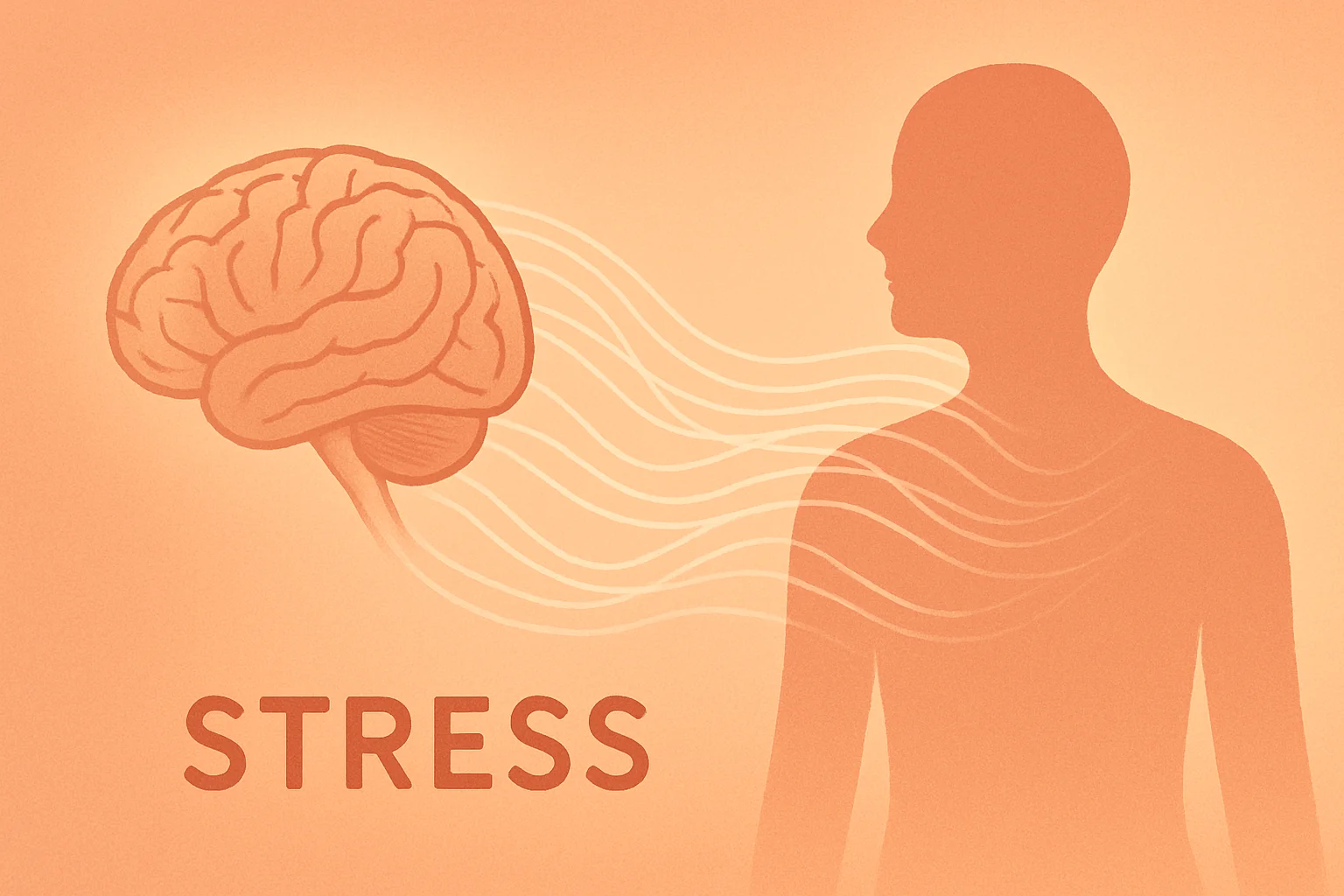
- Environmental factors: stress, trauma, substance use, complications during pregnancy or birth
- Likely caused by a combination of biological and environmental influences
Diagnostic Criteria (DSM-5)
- Schizoaffective disorder means two things happen at once.
A person has strong mood problems (like very sad or very excited moods) and symptoms of schizophrenia at the same time.
- The mood problems can be depression or mania.
Depression means feeling very sad and low. Mania means feeling overly excited or full of energy.
- Schizophrenia symptoms include things like hallucinations or mixed-up speech.
Hallucinations are seeing or hearing things that aren’t real. Disorganized speech means talking in a way that’s hard for others to follow.
- The main sign of schizoaffective disorder is these two sets of symptoms happening together.
It’s not just mood problems or schizophrenia alone — it’s both at the same time.
Treatment Options
- Medication:
- Antipsychotics (for psychotic symptoms)
- Mood stabilizers (for bipolar-type)
- Antidepressants (for depressive-type)
- Psychotherapy: cognitive-behavioral therapy (CBT), supportive therapy, social skills training
- Lifestyle & support: structured routines, stress management, family education, vocational rehabilitation
- Hospitalization may be needed during severe episodes
What It Feels Like
- Confusing reality: difficulty distinguishing between what’s real and what’s not
- Emotional extremes: shifting between deep depression and intense mania or irritability
- Isolation: feeling misunderstood, disconnected, or stigmatized
- Exhaustion: mental and physical fatigue from managing unpredictable symptoms
Important Facts
- Prevalence: affects about 3% of the population (rarer than schizophrenia or bipolar disorder alone)
- Men often show symptoms earlier (late teens/early 20s), women slightly later (20s–30s)
- Early diagnosis and consistent treatment greatly improve long-term outcomes
- Relapse risk increases when treatment is interrupted
- With proper treatment, many individuals lead fulfilling lives
- Statistcs concerning the date symptoms appear to diagnosis is unclear. However, studies on bipolar disorder suggest it can take six years to receive a diagnosis
Resources and Citations
American Psychiatric Association. Diagnostic and Statistical Manual of Mental Disorders. 5th ed., American Psychiatric Publishing, 2013.
Depression and Bipolar Support Alliance. DBSA. https://www.dbsa.org. Accessed 4 Sept. 2025.
Mental Health America. Mental Health America. https://www.mhanational.org. Accessed 4 Sept. 2025.
National Institute of Mental Health. NIMH. https://www.nimh.nih.gov. Accessed 4 Sept. 2025.
National Alliance on Mental Illness. NAMI. https://www.nami.org. Accessed 4 Sept. 2025.
SAMHSA. “SAMHSA Helpline: 1-800-662-HELP (4357).” Substance Abuse and Mental Health Services Administration, https://www.samhsa.gov/find-help/national-helpline. Accessed 4 Sept.
Articles
Miller, Jacob N., and Donald W. Black. “Schizoaffective Disorder: A Review.” Journal of Psychosocial Nursing and Mental Health Services, vol. 31, no. 1, 2019, https://doi.org/10.1177/104012371903100101.