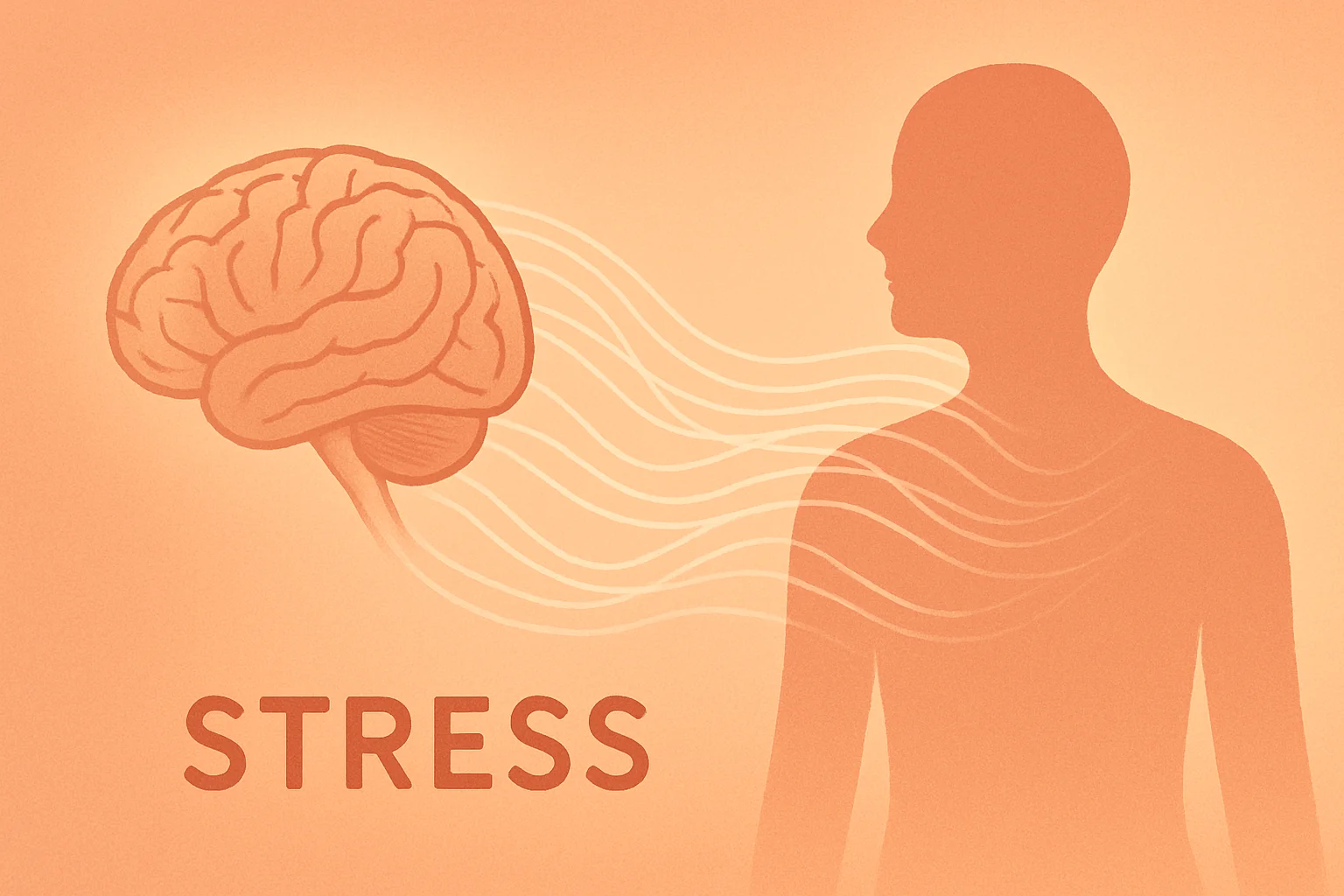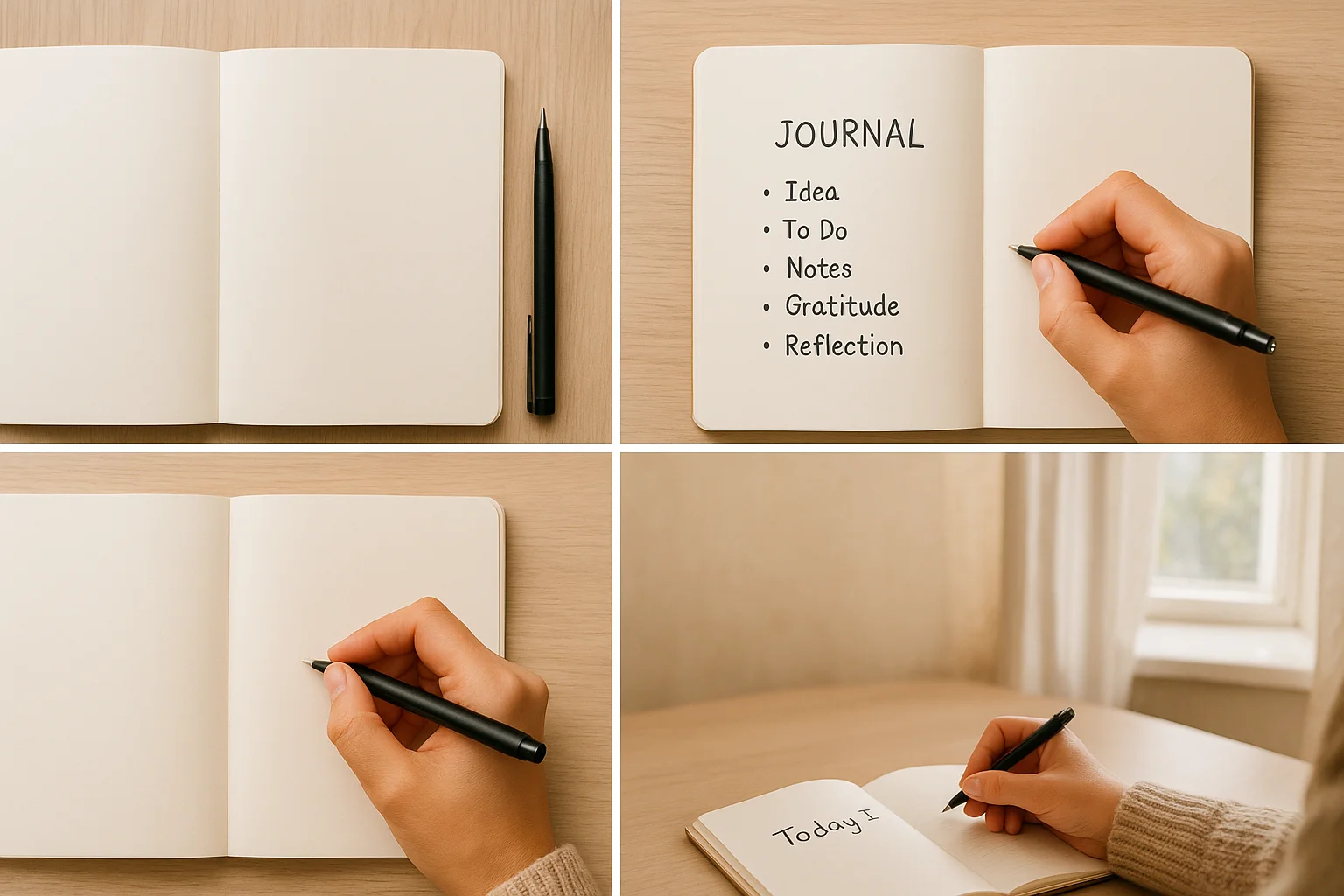

Welcome to “Words That Heal”
“Journaling is more than just writing—it’s a proven tool for self-discovery, stress relief, and emotional growth.” – Kristina Swenson
Journaling is a safe space for reflection, emotional processing, and personal growth. Drawing on years of experience in mindfulness coaching and personal development, Kristina Swenson guides readers through reflective prompts and exercises that unlock clarity, hope, and resilience. This module is designed to help you explore your inner world safely, gain insight, and turn challenges into opportunities for healing.
Why Journaling Matters

Have you ever wished you could hold on to a moment just a little longer—or felt so overwhelmed that you needed a place to vent and process? Journaling provides that space.
It’s more than keeping a diary—it’s a practice backed by research for stress relief, mindfulness, and personal growth. People journal to:
- Process emotions
- Boost creativity
- Build mindfulness
- Preserve meaningful memories
“Journaling offers a way to reflect, release, and rediscover yourself in a safe, private space.” – Kay Adams
What This Article Covers
This article will explore:
- 10 reasons to journal
- Types of journaling
- Benefits of journaling
- How to journal effectively
Whether your goal is emotional healing, mindfulness, or creative expression, this guide provides everything you need to start—or deepen—your journaling practice.

10 Reasons People Journal
1. It’s Always Available
You can journal on any paper. You don’t need special equipment, an internet connection, or an appointment to journal. Whether it’s first thing in the morning or in the middle of the night, your journal is ready whenever you are.
2. A Judgment-Free Zone
Your journal is a safe place where feelings can be expressed without fear of criticism, censorship, or repercussion. This freedom allows you to be completely honest with yourself. Journaling for self-care provides a space for reflection and emotional processing.
3. Unconditional Acceptance
A journal is like a silent, loyal friend—it offers space for you to explore your thoughts and establish habits that support emotional wellness and positive change.
4. Better Self-Knowledge
When you write regularly, you begin to meet different sides of yourself—parts that might otherwise go unnoticed. Over time, you see patterns, strengths, and opportunities for personal growth.
5. Strengthening Inner Guidance
Journaling helps you see yourself from a new perspective. You often end up answering questions you didn’t even realize you had—and answering them honestly. This inner dialogue can grow into an ongoing conversation with yourself, one that continues long after you’ve put down the pen.
6. Unlocking Creativity
Journaling can be a catalyst for creativity and mindfulness because it causes you to slow down and reflect. When you write continuously and without pause, thoughts flow more easily. As a result, brainstorming and problem-solving are more effective, and the unexpected just might be the solution you have been waiting for.
7. Building Self-Acceptance & Self-Esteem
Even if you don’t keep everything you write, your effort forms a pattern you can be proud you took the effort to complete. As you continue to write, you will gain more confidence in yourself. Journaling can boost self-esteem and foster self-acceptance over time.
8. Releasing Past Hurts
Writing about past hurt and challenges helps to externalize the feelings. Journaling for emotional healing is one of the first steps to being free from the pain of those experiences.
9. Encouraging Self-Reliance
Journaling enhances your ability to reflect and process your feelings on your own time and at your own pace, promoting self-reliance and independence in emotional processing.
10. Healing Through Expression
Expressing yourself is powerful at any stage of life. It brings hidden feelings into the open, affirms your ability to accomplish things, clarifies the challenges you face, and reminds you that you have the courage to speak up when it matters. Journaling for stress relief, mindfulness, and personal growth supports long-term wellness and self-discovery.
Types of Journaling
Now that we’ve explored the top 10 reasons people journal and how journaling can support mental health, stress relief, creativity, and personal growth, it’s helpful to look at the different types of journaling you can try.
From art journaling and bullet journals to guided journaling, morning pages, and expressive writing, each style offers unique ways to express yourself, process emotions, and build mindfulness. No matter your goals—whether it’s emotional healing, self-discovery, or creative exploration—there’s a journaling method that can fit your lifestyle and help you make the most of your writing practice.
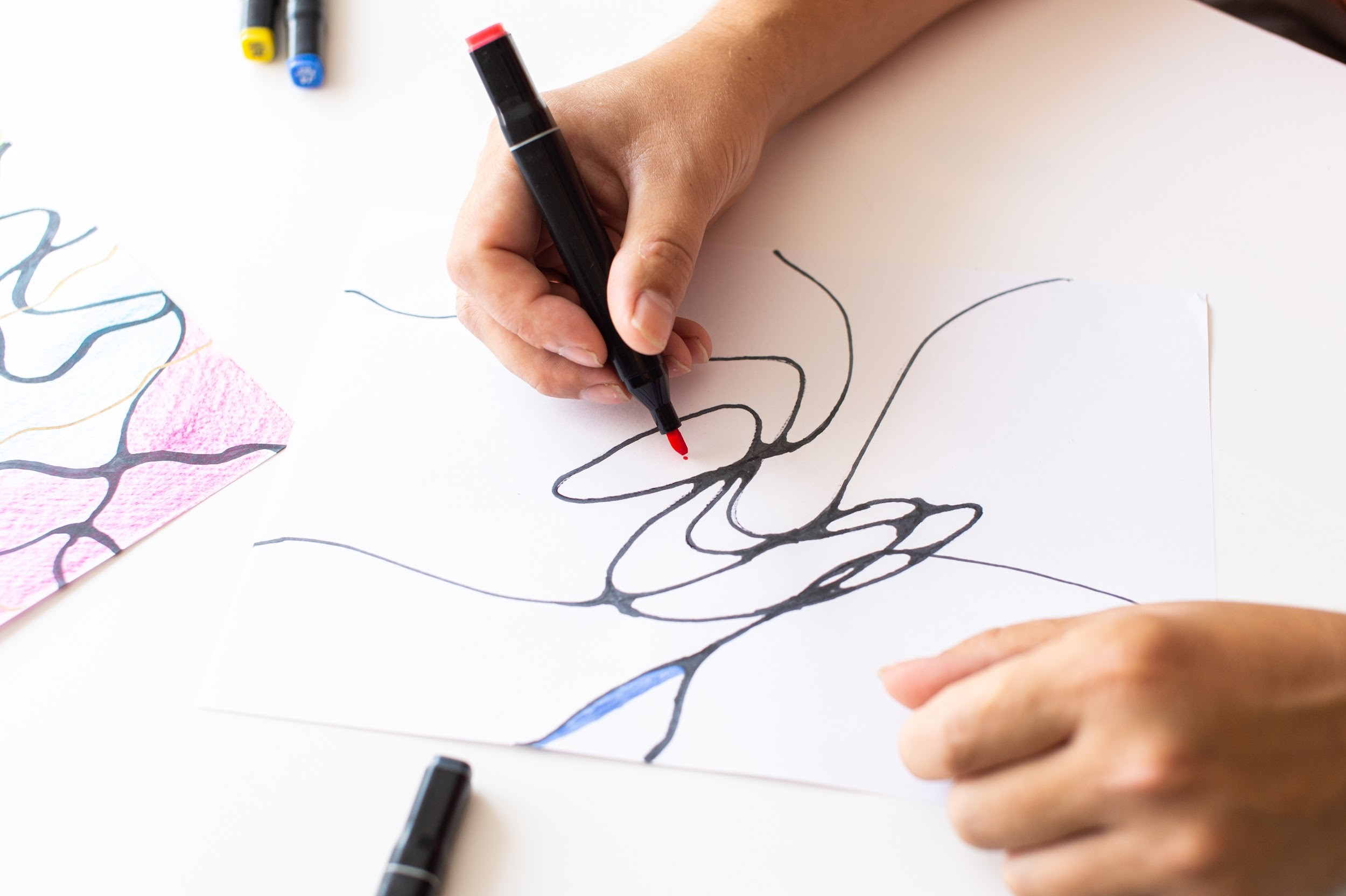
Art Journaling
Art journaling is a personal creative practice that combines visual art with written expression. It can be done directly within a journal, in a separate notebook, or by adding artwork later to the main journal. Techniques include colored pencils, watercolor pencils, painting, collage, drawing, and mixed media alongside words. This type of journaling for creativity and self-expression creates a space for exploration, reflection, and mindfulness, where thoughts, emotions, and ideas unfold into a rich visual narrative.
Bullet Journal
A bullet journal is a customizable organization and reflection system created by Ryder Carroll. Using rapid logging with bullets, symbols, and short notes, it blends planning, goal-setting, and journaling into one notebook. Highly adaptable, it can track tasks, events, habits, and ideas while encouraging mindfulness, intentional living, and personal growth.
Chronological journaling:
A style of journaling where you record events in the order they happen, tracking your day-by-day experiences, dates, and the passage of time. It captures moments as they occur, helping you reflect on your personal journey over time.
Expressive Writing
Expressive writing is a journaling practice focused on putting your deepest thoughts and emotions into words. Often used for emotional healing, stress relief, and mental health, it allows you to process difficult experiences, reflect on feelings, and gain clarity. This style of journaling supports self-discovery, mindfulness, and personal growth by helping you explore your inner world in a safe, private space.
Guided Journaling
Guided journaling uses prompts, trackers, doodles, mind maps, and reflection exercises, all organized under specific themes. Categories might include gratitude, shadow work, or Bible journaling. While the focus of each category varies, the underlying methods are similar, making guided journaling a helpful tool for emotional healing, mindfulness, and self-discovery.
Morning Pages
Created by Julia Cameron, morning pages involve writing three pages of stream-of-consciousness thoughts every morning. This journaling technique for mental clarity and creativity is designed to clear mental clutter, boost creativity, and start the day with focus. The emphasis is on free writing without judgment or editing, making it an excellent tool for stress relief, self-reflection, and emotional processing.
Why Journaling Works: Mental, Emotional, and Physical Benefits

The benefits of journaling are backed by decades of research, and it’s easy to see why so many people make it a daily practice. In 1986, psychologist James Pennebaker led a landmark study in which college students wrote about their thoughts and feelings for just 15–20 minutes a day over three or four days.
The results were striking: participants experienced noticeable improvements in both mental health and physical well-being. Since then, more than 200 studies have replicated these findings, consistently showing that the simple act of putting pen to paper can have far-reaching effects.
The Science-Backed Benefits of Journaling
People who journal regularly often report reduced stress, greater emotional clarity, improved problem-solving skills, and a stronger sense of overall well-being. Physically, benefits can include strengthened immune function and lower levels of stress-related symptoms.
While results may vary, the research is clear: journaling for mental health, emotional healing, and self-care is more than just a way to record events—it’s a tool for growth, mindfulness, and personal reflection.
In upcoming articles, we’ll dive deeper into each of these benefits and explore practical journaling techniques you can use to enhance your mental, emotional, and physical health.
How to Journal Effectively for Growth and Clarity

Getting started with journaling doesn’t have to be complicated. This guide walks you through the nuts and bolts of journaling for mental health, stress relief, and personal growth, helping you turn writing into a sustainable, health-boosting habit.
- Start with your medium: Choose a notebook, a planner, or a digital document—whatever feels easiest, most private, and convenient for you. The best journaling tool is the one you’ll actually use.
- Set a regular time: Even 10–15 minutes a day can make a difference. Try to write at roughly the same time each day to create a consistent journaling habit.
- Keep it simple: You don’t need perfect grammar or long essays. Focus on honesty, clarity, and capturing your thoughts. Journaling for self-care and emotional clarity is about expressing yourself, not perfection.
- Use prompts to get started: Questions like “What’s one thing I’d like to let go of?” can spark reflection and help you dive into mindfulness and self-discovery.
- Be patient with yourself: Building a habit takes time. If you miss a day, simply start again the next day.
About the Author
Kristina Swenson shares expert-backed insights to make journaling a tool for stress relief, self-discovery, and personal growth.
Suggested Journaling Resources
Creative & Reflective Writing
- The Artist’s Way – Julia Cameron
- Writing Down the Bones – Natalie Goldberg
Healing & Self-Exploration
- Writing to Heal – James Pennebaker
- Journal to the Self – Kathleen Adams
Practical & Structured Journaling
- The Bullet Journal Method – Ryder Carroll
- The Five Minute Journal – Intelligent Change
Personal Growth & Clarity
- At a Journal Workshop – Ira Progoff