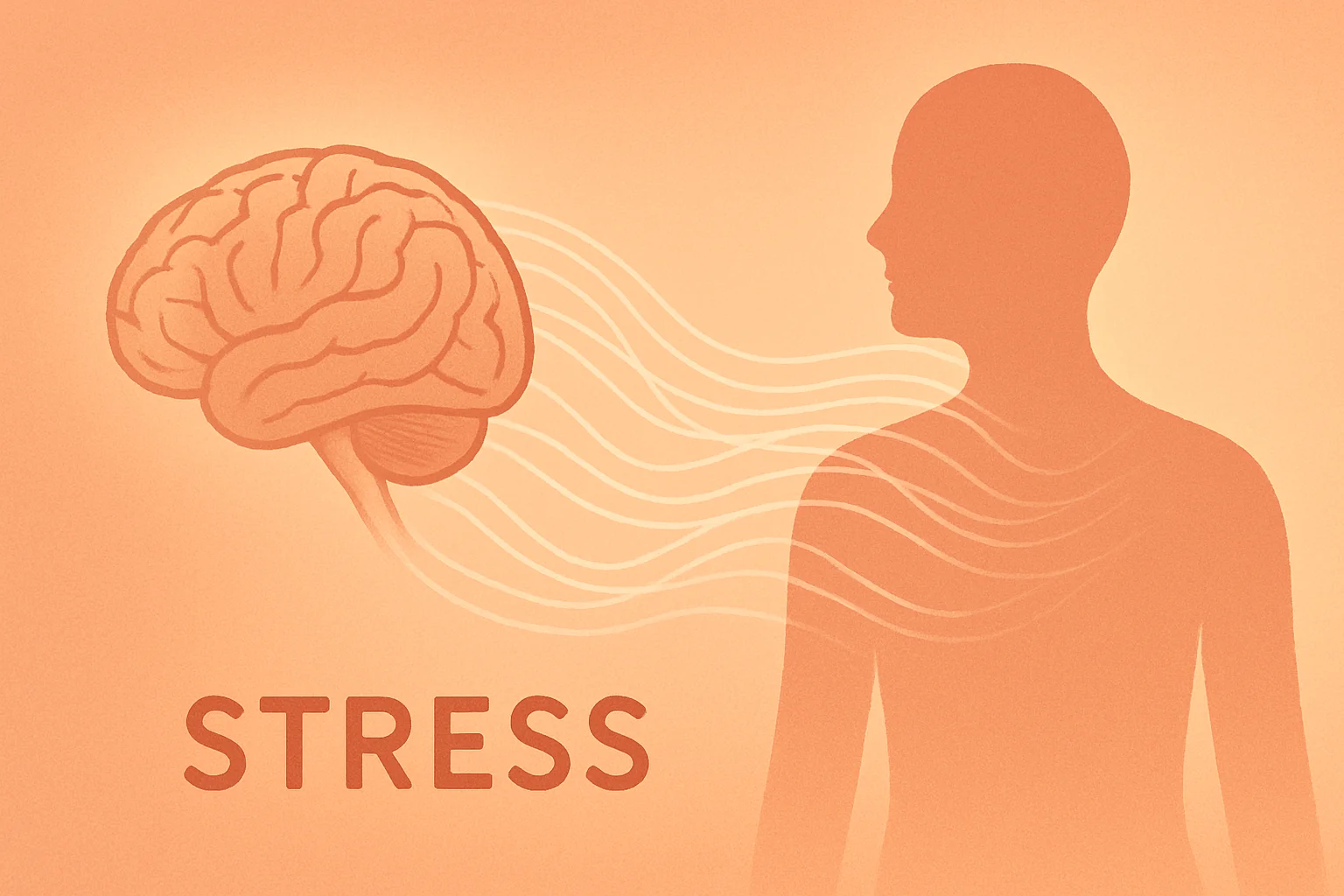
Trauma leaves a lasting mark on the mind and body. It can shape how we perceive ourselves, others, and the world—and it is a significant factor in the development of depression. Understanding the link between trauma and depression is the first step toward healing and recovery.
What Is Trauma?
Trauma is an overwhelming emotional response to an experience where you feel trapped, powerless, or unable to change the outcome.
Common emotional reactions to trauma include:
- Self-blame – believing the event was somehow your fault
- Denial – pretending it didn’t happen to protect yourself emotionally
- Numbing behaviors – turning to addictions or distractions to avoid the pain
What Does Trauma Feel Like?
Trauma often feels like a persistent sense of danger or unease, even after the threat is gone. It creates an underlying fear that something bad will happen, which can lead to mistrust of people, situations, and even oneself.
From personal experience, I know trauma can make the world feel unsafe. As a child, my mother found someone for me to talk to before my fears became deeply ingrained. But when my depression worsened and I needed medication, even the idea of seeing a psychiatrist was terrifying—trauma had conditioned me to expect danger everywhere.
Therapy and counseling can help break this cycle, teaching the mind and body that safety is possible again.

What Causes Trauma?
Trauma often occurs when two key conditions are present:
- A person believes their life—or someone else’s life—is at risk.
- They feel powerless to stop or escape the threat.
This combination can create a deep psychological imprint that shapes future emotional responses and self-perception.
Events That Can Cause Trauma
Trauma can stem from:
Single Overwhelming Events (Acute Trauma)
- Abuse or neglect
- Serious accidents or injuries
- Natural disasters
- Violent attacks
- The sudden death of a loved one
Chronic or Complex Situations (Complex Trauma)
- Ongoing emotional, physical, or sexual abuse
- Growing up in unsafe or unstable conditions
- Long-term exposure to domestic violence
- Repeated exposure to traumatic events
Witnesses of trauma can be as deeply affected as direct victims.

Regular Trauma vs. Complex Trauma
Regular (Acute) Trauma
- Comes from one major distressing event
- May cause lasting emotional pain but is less likely to integrate into a person’s core sense of self
Complex Trauma
- Results from prolonged or repeated traumatic experiences
- Often affects self-worth, emotional regulation, and trust in others
- Strongly linked to chronic depression and anxiety

How Trauma Leads to Depression
Trauma often triggers depression by affecting emotional regulation, thought patterns, and behavior:
Emotional Dysregulation
- Trauma makes it difficult to manage emotions.
- People may experience numbness, irritability, or extreme mood swings.
- Depression can emerge as persistent sadness, hopelessness, and fatigue.
Avoidance and Isolation
- Survivors often avoid “triggers” that remind them of the trauma.
- Avoidance can lead to withdrawal from relationships, activities, and support networks, deepening depression.
Negative Self-Perception
- Trauma can instill a lasting sense of guilt, shame, or worthlessness, which are core symptoms of depression.

Healing from Trauma and Depression
Recovery is not linear, but healing is possible. The first steps are awareness and support.
At Welcoming Hope, we believe healing requires:
- Therapy and counseling to process traumatic memories safely
- Community and support networks to reduce isolation
- Coping strategies like mindfulness, journaling, and self-care routines
A compassionate environment allows survivors to rebuild trust, manage emotions, and regain a sense of safety.

Key Takeaway
Trauma does not have to define you. While it can leave deep emotional scars and lead to depression, with the right support and resources, survivors can reclaim their lives. Healing is challenging—but absolutely within reach.

References
Articles
- Heim, Christine. The Link Between Childhood Trauma and Depression in Psycho-Neuro-Theology. Aug. 2008.
- Write, Stephanie A. Trauma and Depression: Want to Know in Central. Dec. 6, 2021.
Books
- Herman, Judith. Trauma and Recovery: The Aftermath of Violence—From Domestic Abuse to Political Terror. Basic Books.
- van der Kolk, Bessel. The Body Keeps the Score: Brain, Mind, and Body in the Healing of Trauma.